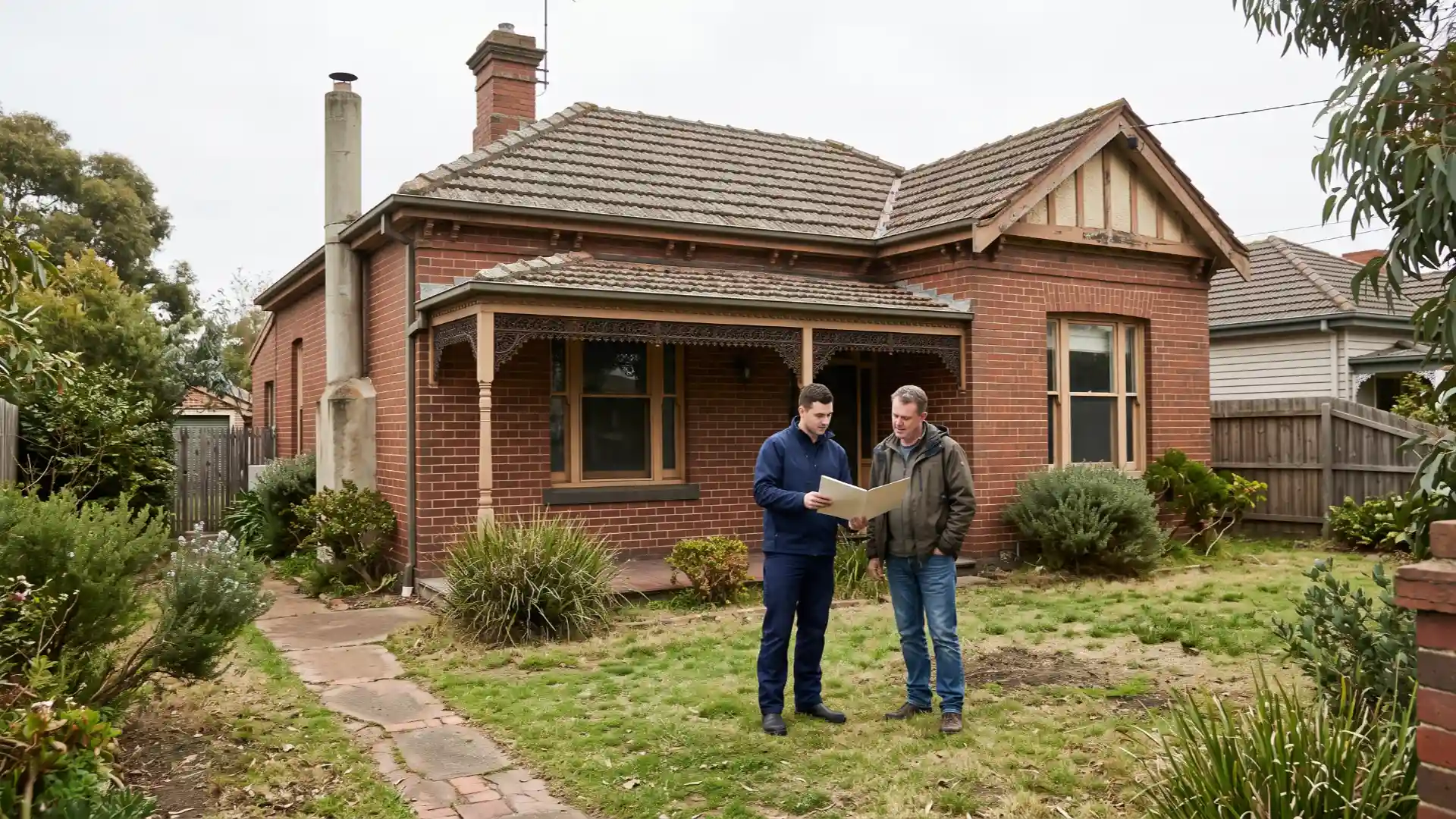
An old heater is being replaced, a hot water system has reached the end of its life, or renovation plans reveal a cement-like pipe running through the ceiling. Suddenly, a straightforward upgrade comes with another question: could the flue contain asbestos? For homeowners considering asbestos flue pipe removal in Melbourne, the useful starting point is understanding what material is present and how it affects the planned work.
JD Asbestos Removal specialises in non-friable asbestos removal for suitable residential, commercial and industrial properties, including responsible management and disposal of waste generated through its removal work. A suspected flue needs appropriate consideration before its suitability for that service can be confirmed. This guide explains the questions to ask, the information to prepare and the factors that can shape a removal quote.
Why an Old Flue Deserves Attention Before a Home Upgrade
A flue carries exhaust gases from an appliance to the outside. Older installations may include asbestos cement components, and WorkSafe Victoria lists flues among historical uses of asbestos cement. That does not mean every old flue contains asbestos: age, location and appearance provide context, rather than proof of what a particular pipe contains.
The issue often comes to light when a plumber, heater installer or builder needs to work near an existing flue. An appliance upgrade might involve disconnecting equipment, changing the exhaust arrangement or opening part of the building. Before those tasks begin, suspected materials should be raised with the people planning the work.
Asbestos flue pipe removal in Melbourne should be considered alongside the wider project. Explain whether you are replacing a heater, updating a hot water system or changing the room layout. This helps clarify which parts of the existing installation are affected and which trades may need to coordinate their work.
For broader property projects, JD’s residential asbestos removal information explains its approach to suitable home removal enquiries.
Asbestos Cement Flue Pipe Removal and Non-Friable Materials
The phrase “asbestos flue” does not describe every material associated with a heating installation. The pipe itself, surrounding insulation and other components may be different products. Understanding that distinction is important when discussing asbestos cement flue pipe removal.
Non-friable asbestos has fibres bound within cement or another hard bonding material. Friable asbestos can, when dry, be crumbled or reduced to powder by hand pressure. These are classification descriptions for competent assessment, not an invitation to squeeze, scrape or break a suspected pipe to test it.
WorkSafe Victoria distinguishes bonded materials from friable products such as pipe lagging. Its guidance also explains that deterioration or a work process can cause a previously non-friable material to become friable. Consequently, a cement-like appearance alone does not establish that a flue is suitable for non-friable removal.
A Flue Pipe and Its Insulation May Need Different Consideration
A homeowner searching “remove non friable asbestos” may be asking about a bonded cement pipe. Someone searching “removing friable asbestos” may be dealing with a different material or condition. Those enquiries should not be treated as interchangeable.
JD’s confirmed service is non-friable removal. Where associated material is friable or its classification remains uncertain, the appropriate assessment and removal pathway must be established separately. An enquiry about asbestos flue pipe removal in Melbourne should therefore describe the whole visible installation, rather than assuming every component falls within JD’s scope.
See WorkSafe Victoria’s explanation of friable and non-friable asbestos for the classification distinction.
Suspected Asbestos Flue Pipe: What to Clarify First
It is understandable to compare photographs online when you discover an unfamiliar pipe. However, photographs and visual resemblance cannot reliably confirm asbestos content. A material that looks similar to an asbestos cement product may have a different composition.
Check whether the property already has relevant information, such as a previous asbestos report, laboratory result or renovation record. Share documents that identify the particular material involved, rather than assuming a report about another part of the house also covers the flue.
Where identification has not been established, appropriate professional identification or testing may be required before work proceeds. Do not take a sample yourself to speed up the enquiry. Tell JD that the material is suspected, explain why it has come to your attention and ask what information is needed to review the project.
If you have noticed visible damage, describe it without touching or disturbing the material. Avoid climbing onto a roof or entering a difficult ceiling space to obtain photographs. Existing images, or photographs taken from an accessible position without disturbance, can provide context.
The purpose of an initial asbestos flue pipe removal enquiry is to establish the next step. It is not necessary to supply a confident diagnosis when the material has not been confirmed.
Planning Asbestos Heater Flue Removal Around Other Trades
A flue can pass through several parts of a building, even when only a short section is visible inside a room. Planning asbestos heater flue removal therefore involves more than discussing the appliance standing beneath it.
Explain whether the heater is still connected, whether another trade has already inspected the installation and what replacement work is proposed. Appliance disconnection, gas or electrical work, roof repairs and replacement flue installation should be allocated to appropriately qualified trades. Do not assume those tasks are included in an asbestos removal quote.
A similar approach applies to asbestos hot water flue removal. The removal enquiry should identify the suspected material and its location, while the appliance contractor clarifies the requirements for the new system. The sequence of work can then be discussed before an installation appointment is confirmed.
Clarify the Full Extent of the Proposed Work
Ask whether the quote covers the complete identified pipe or only a specified section. If part of the flue is concealed, discuss how that uncertainty affects the proposed scope and any further assessment needed.
Also clarify who is responsible for closing openings, repairing finishes or making the roof weatherproof after removal. These are practical project questions, not services to assume JD provides. Keeping responsibilities clear helps the homeowner coordinate the broader upgrade.
For asbestos flue pipe removal in Melbourne, share any preferred renovation dates early, but wait for the material, access and scope to be reviewed before relying on a removal date.
Asbestos Flue Removal Cost: What Can Affect Your Quote?
A short visible pipe does not provide enough information to calculate a reliable asbestos flue removal cost. The full extent of the material, its condition and the work needed to access it can differ between properties.
For example, a readily accessible section and a pipe extending through a concealed ceiling space present different planning questions. Roof height, access limitations and surrounding building materials may also need consideration. These factors should be reviewed for the actual property, rather than converted into a universal price per pipe.
Information That Makes a Removal Quote More Useful
Prepare the property suburb, the appliance associated with the flue and any available identification documents. Describe where the pipe is visible, whether it appears to extend through the roof and whether any damage has been observed without close inspection.
Explain the work you intend to carry out next. A quote for asbestos flue pipe removal in Melbourne is more useful when the team understands whether the enquiry relates to an isolated removal, a heater replacement or a larger renovation.
Ask the following when reviewing the proposed scope:
- Which identified materials and sections are included?
- What access arrangements are assumed?
- Is management and disposal of waste generated through the removal included?
- Which appliance, roof or reinstatement tasks require another contractor?
- What happens if concealed conditions change the agreed work?
Compare the details behind each quote, rather than the total alone. A lower figure is difficult to assess if the material extent, access assumptions or exclusions differ.
Ready to discuss the property? Request a free quote and provide the information already available. JD can review whether the proposed removal falls within its non-friable service scope.
Associated Waste Disposal and Project Completion
Removing an identified asbestos flue pipe creates waste that needs appropriate management. Disposal should be discussed as part of the removal scope, rather than left as an unresolved task for the homeowner.
EPA Victoria states that asbestos waste must go to a place authorised to receive it; not all landfills accept it. Its guidance on disposing of asbestos waste explains that distinction.
JD’s service includes responsible management and disposal of asbestos waste generated through its removal work. That statement does not imply a separate collection service for asbestos another person has already removed. If loose or previously removed material is involved, describe the situation when enquiring rather than assuming it is covered.
Before asbestos flue pipe removal in Melbourne begins, ask what completion information will be supplied and how the agreed scope will be recorded. Also confirm when the following trade can proceed and what outstanding building work remains. Request project-specific details without assuming a particular certificate or document is automatically included.
Discuss Your Melbourne Flue Removal Project With JD
Planning asbestos flue pipe removal in Melbourne starts with clear information about the property, the suspected or identified material and the work you intend to undertake. You do not need to disturb the pipe or diagnose it yourself before making an enquiry.
JD Asbestos Removal can review enquiries for suitable non-friable removal projects, including associated waste disposal. Share the suburb, existing reports, safely obtained photographs and the proposed heater or renovation work so the team can consider the next steps.
Frequently Asked Questions
Asbestos Flue Pipe Removal in Melbourne: What Homeowners Should Know
A photograph can show location and visible condition, but it cannot reliably confirm asbestos content. Existing identification records may help; otherwise, appropriate professional identification or testing may be required. Do not scrape, drill or break the pipe to investigate. State clearly in your enquiry whether the material is suspected or confirmed.
Does a Small Flue Pipe Automatically Mean a Low Removal Cost?
No. The visible size is only one part of the project. A pipe may extend into a concealed space, and access or other site conditions can affect the proposed work. Ask for a property-specific quote that explains material extent, access assumptions, disposal and exclusions.
Should I Arrange Removal Before Booking My New Heater Installation?
Raise the suspected flue with the installer and removal team before confirming the work sequence. Material identification, appliance disconnection, removal and any building repairs need coordination. Asbestos flue removal does not automatically include disconnecting or installing the heater, so clarify each contractor’s responsibilities.
Can JD Remove Friable Insulation Around an Asbestos Flue?
JD’s confirmed scope is non-friable asbestos removal. Friable insulation or material whose condition requires a different classification is outside that stated scope. Describe any associated material and provide available reports so the appropriate pathway can be established. Do not assume the pipe and its insulation require the same service.
Does Asbestos Flue Pipe Removal Include Roof Repairs?
Do not assume roof repairs or other reinstatement work are included. Ask the removal team what its quote covers, then confirm whether a separate qualified trade is needed to repair openings or restore weatherproofing. This is particularly useful when a flue passes through the roof and forms part of an appliance upgrade.