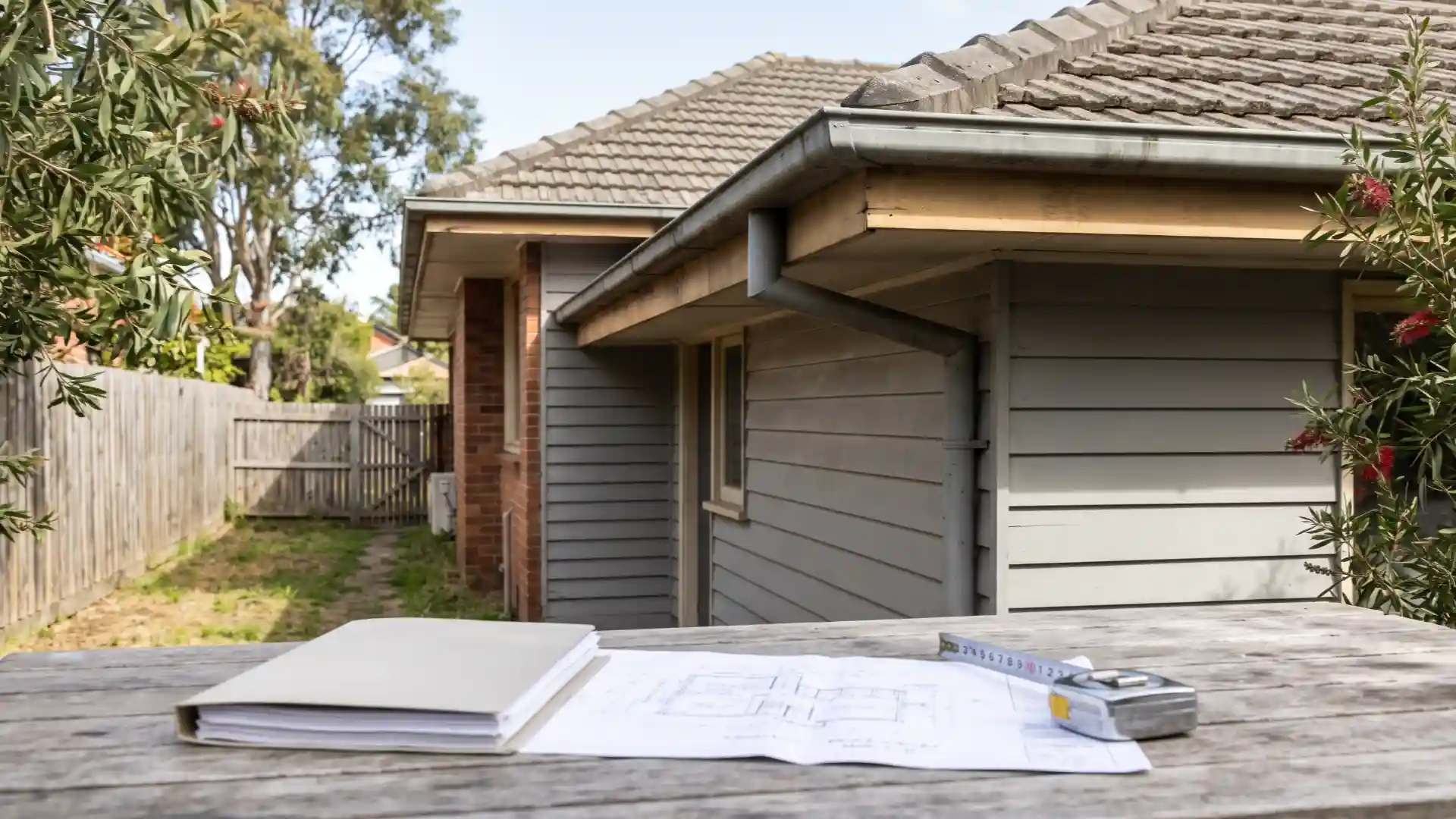
Replacing the eaves of an older property may seem like a straightforward renovation task. However, before a builder removes existing sheets or changes the roofline, it is important to consider whether the materials could contain asbestos. Some older Australian properties used asbestos-containing cement products in external building components, including eaves. Disturbing suspected materials during renovation can create avoidable health and project-management risks.
A well-organised asbestos eaves replacement project starts by establishing what is known about the existing material, identifying the proposed work area and coordinating the right professionals before construction begins. The material should not be judged by appearance alone, and homeowners should not attempt to remove or investigate it themselves.
JD Asbestos Removal provides suitable non-friable asbestos removal services. Its role is to assess enquiries for work within that service scope, not to provide eaves replacement, rebuilding or general renovation work. Understanding this distinction helps property owners organise the removal stage separately from the building contractor’s replacement work.
Why asbestos should be considered before replacing older eaves
Eaves are the sections that extend beyond the external walls beneath the edge of a roof. They help form the roofline and may include soffit linings and adjoining components. Depending on the property’s age and construction, these areas may contain different materials, including timber, metal, plasterboard or fibre cement products.
Asbestos-containing cement products were used in Australian buildings for many years. Some older homes may therefore have asbestos-containing materials in their eaves, although the age or appearance of a property cannot confirm that a particular sheet contains asbestos.
The issue becomes important when renovation work is planned. A contractor may need to remove existing eaves sheets, change fascia components, access roof spaces, install lighting or alter the roofline. Cutting, drilling, breaking, sanding or dismantling suspected asbestos-containing material can release airborne fibres.
For this reason, asbestos eaves replacement planning should begin before trades are booked to disturb the existing structure. Allowing time to clarify the material and arrange suitable professional advice can help prevent confusion when the renovation is ready to start.
Check broader explanation of asbestos risks and awareness before renovation or removal. It provides useful background for property owners considering work around older building materials.
Can older eaves contain asbestos?
Yes, some older eaves may contain asbestos-containing cement sheets. However, it is not possible to confirm asbestos simply by looking at a surface. Colour, texture, visible age, sheet dimensions and photographs are not reliable identification methods.
Non-friable asbestos materials generally have fibres bound within a solid material, such as cement. When the product is in good condition and left undisturbed, the risk of fibre release is generally lower. However, damage, deterioration or certain work processes can change the condition of a material. Non-friable asbestos can become friable.
Homeowners should not press, scrape, break or otherwise test an eaves sheet to determine its condition. Nor should they remove a small piece for testing. If asbestos is suspected and there is no reliable record, leave the material undisturbed and seek appropriate professional advice about identification.
Existing asbestos registers, previous laboratory reports, renovation records or building documents may provide useful information. Check that any record relates to the specific eaves or building section involved. A report covering one part of a property does not automatically confirm the material used elsewhere.
WorkSafe Victoria explains the difference between friable and non-friable asbestos and why material condition matters.
Asbestos eaves replacement planning: what to organise first
Before arranging replacement work, clarify the renovation requirements and the information available about the existing eaves. This does not mean inspecting or disturbing the material. It means preparing the project details so the relevant professionals can understand the situation.
1. Identify the areas included in the renovation
Write down which parts of the property are involved. The work may relate to the front eaves, rear roofline, a carport, a garage or an extension. If several sections are affected, list them separately so the proposed work area is clear.
Existing plans and photographs taken safely from ground level may help explain the locations. Do not climb onto a roof or ladder, lift sheets, open cavities or move building components to obtain closer views.
2. Describe the intended replacement work
Explain what the building contractor intends to change. For example, the project may involve replacing sections of eaves lining, changing the roofline, updating adjoining fascia or carrying out broader exterior renovations.
The details matter because the removal requirements depend on the material, its condition, location and the proposed work. The asbestos removal contractor needs to understand which areas may be affected before discussing a suitable scope.
3. Gather existing reports and property records
Collect any asbestos reports, building plans, previous renovation documents or maintenance records that relate to the affected areas. If asbestos has been confirmed, provide the relevant documentation. If it is only suspected, make that distinction clear.
A suspected asbestos in house eaves enquiry should not be presented as a confirmed asbestos finding unless there is reliable evidence. Accurate information helps avoid assumptions and makes it easier to identify what further advice may be required.
4. Coordinate the builder and removal contractor
The builder and asbestos removal contractor should understand the intended sequence of work. The replacement contractor should not begin disturbing suspected asbestos-containing materials while the issue remains unresolved.
Discuss which areas need to remain undisturbed, what access arrangements may be needed and how the work stages will be coordinated. The exact arrangements should be agreed with the relevant professionals rather than improvised by the homeowner.
5. Confirm the work scope before scheduling
If professional removal is considered appropriate, make sure the agreed scope identifies the locations and materials included. Clarify exclusions and any conditions that may affect the work.
Do not assume that an asbestos removal quotation includes replacement sheets, new eaves, painting, carpentry, fascia repairs, gutter replacement or other building work. These should be discussed separately with the relevant contractor.
Why suspected asbestos should not be disturbed during renovation
A common project mistake is allowing renovation work to begin before the material question has been resolved. Even work that appears minor may involve drilling, cutting, fixing or removing components near the suspected material.
Do not attempt to prepare old eaves by scraping paint, cleaning the surface, removing fixtures or taking down a section. These actions may disturb the material and are not a substitute for professional assessment.
If a builder or tradesperson identifies a material that may contain asbestos, pause work that could disturb it and keep people away from the affected area. Seek appropriate advice before deciding how the renovation should proceed.
This is particularly important where the material is damaged, deteriorated or of uncertain condition. A product that was originally non-friable may no longer be in that state. Do not assume that an old cement sheet is suitable for ordinary demolition or general building work.
Good asbestos eaves replacement planning gives the property owner time to resolve these questions before the renovation schedule becomes dependent on the affected area.
When professional non-friable asbestos removal may be relevant
The right response depends on whether asbestos is present, its condition and whether the planned renovation will disturb it. In some situations, asbestos-containing material may be managed in place. In others, professional removal may be considered before the replacement work proceeds.
JD Asbestos Removal reviews suitable non-friable asbestos removal enquiries for residential, commercial and industrial properties. Whether a particular eaves project is suitable depends on the material, its condition, access requirements and the agreed work scope.
Property owners searching for non friable asbestos removal Melbourne should make sure the service they contact is appropriate for the actual material and circumstances. The term non-friable describes a material category; it does not mean the material can be safely disturbed by an unqualified person.
JD does not provide friable asbestos removal, eaves replacement, rebuilding or standalone asbestos testing. Where the material is friable, badly deteriorated or otherwise outside the service scope, an appropriate alternative professional arrangement will be needed.
You can review JD’s residential and general asbestos removal services to understand the service information relevant to suitable projects. The removal stage and the subsequent building replacement work should be treated as separate parts of the wider renovation.
What can affect an asbestos removal quote?
The cost and scope of removal cannot be reliably determined from a general description such as “replace the eaves”. A contractor needs to understand the actual work area and relevant site conditions before confirming what can be offered.
Factors that may influence an asbestos removal quote include:
- Extent of the affected area: The number and location of eaves sections can affect the proposed work scope.
- Material information: Existing reports or reliable records may help establish what is known about the material.
- Condition: Damage or deterioration may change the professional considerations and whether the work is suitable for a non-friable service.
- Height and access: Roofline height, ground conditions, nearby structures and safe access arrangements can affect planning.
- Surrounding components: Fascia, gutters, roofing, lighting, services and adjoining building materials may need to be considered when defining the work area.
- Property use: Occupied homes, tenanted properties and operating commercial premises may require additional coordination.
- Work sequence: The removal needs to be planned in relation to the builder’s schedule and any other trades working nearby.
When requesting an asbestos removal quote, provide the property suburb, property type, affected locations, intended renovation work and any relevant existing documentation. If photographs are available, use only images already taken safely. Photographs may help explain the location but cannot confirm asbestos.
A clear asbestos eaves replacement project description should also explain what the building contractor intends to replace after the removal stage. This helps distinguish the asbestos-related work from the separate construction work and reduces the risk of misunderstanding what the quotation covers.
For smaller properties or limited affected areas, small asbestos removal jobs may still need careful consideration of material type, access and project requirements. The size of the area alone does not establish whether a job can be accepted.
Coordinating asbestos removal with eaves replacement work
The removal and replacement stages should be coordinated rather than treated as one combined service. The asbestos removal contractor deals with the agreed removal scope, while the builder or other appropriately engaged trade handles the replacement work.
Before the project starts, discuss the proposed sequence with both parties. Confirm when the affected area needs to be kept clear, what access restrictions apply and how the removal contractor will communicate completion of its work.
Do not assume that the builder can restart work immediately after a planned removal date. Follow the contractor’s instructions and confirm any required handover arrangements before allowing other trades to return to the affected area.
For commercial or industrial premises, the plan may also need to account for staff, customers, tenants, deliveries and normal site operations. If your project involves these settings, review JD’s commercial and industrial asbestos removal information to understand the relevant service context.
The building contractor should separately confirm the replacement materials, installation arrangements and any repairs required after the removal stage. JD’s asbestos removal service should not be represented as including those building tasks.
Waste management and project responsibilities
Asbestos waste must be handled and disposed of appropriately. In Victoria, asbestos waste cannot simply be placed in ordinary household, recycling or green waste bins. Waste must go to a facility authorised to receive the relevant asbestos waste. EPA Victoria provides information about asbestos waste requirements, including lawful disposal arrangements.
Waste management responsibilities relate to waste generated through its own asbestos removal work. This should not be confused with a separate general waste collection or disposal service.
Property owners should clarify the work scope and relevant responsibilities with the contractor before work begins. If the project involves commercial or industrial waste, additional regulatory and tracking requirements may apply depending on the circumstances.
A practical checklist before replacing older eaves
Use this checklist to organise the project discussion. It is not an instruction to inspect, sample or remove suspected asbestos.
- Identify which eaves sections are included in the planned renovation.
- Describe the proposed replacement work to the building contractor.
- Check existing asbestos reports and relevant property records.
- Distinguish confirmed asbestos from material that is only suspected.
- Avoid disturbing, cutting, drilling, scraping or removing suspected materials.
- Keep relevant residents, trades and contractors informed.
- Obtain appropriate professional advice about the material and proposed work.
- Confirm whether the removal project is suitable for a non-friable asbestos removal service.
- Review the written removal scope, exclusions and access arrangements.
- Coordinate the removal stage with the builder’s replacement schedule.
- Confirm handover arrangements before other renovation work resumes.
Taking these steps early can help reduce uncertainty and make the renovation easier to coordinate. It also gives property owners a clearer basis for discussing the removal scope and the separate replacement work.
Discuss Your Asbestos Eaves Project with JD
If you are planning to replace older eaves and suspect asbestos may be present, do not disturb the material to investigate it. Gather existing reports, note the affected locations and explain what the renovation contractor intends to do.
JD Asbestos Removal can review enquiries for suitable non-friable asbestos removal at residential, commercial and industrial properties. The suitability of each project depends on the material, its condition, access and the agreed scope. Contact the team with your property and renovation details to discuss the next step.
Frequently Asked Questions
-
Can older eaves contain asbestos?
Yes. Some older Australian properties used asbestos-containing cement products in external building components, including eaves. However, the age or appearance of a property cannot confirm whether a particular eaves sheet contains asbestos. Appropriate professional advice and, where necessary, sampling and laboratory analysis may be required.
-
Should asbestos be removed before replacing eaves?
It depends on whether asbestos is present, the material’s condition and whether the planned replacement work will disturb it. Where removal is appropriate, it should be addressed before the replacement contractor disturbs the affected area. Seek suitable professional advice and do not attempt to remove suspected material yourself.
-
How can I tell whether my eaves contain asbestos?
You cannot reliably identify asbestos by colour, texture, age or photographs. Check any existing asbestos reports or property records that relate to the specific area. If the material remains uncertain, leave it undisturbed and seek appropriate professional advice.
-
What information should I provide when requesting an asbestos eaves removal quote?
Provide the property suburb, property type, affected eaves locations, planned renovation work and any existing asbestos reports or relevant building records. Explain whether asbestos is confirmed or only suspected. Existing photographs taken safely may help describe the location but cannot confirm asbestos.
-
Can JD Asbestos Removal assist with small eaves removal projects?
JD Asbestos Removal reviews suitable non-friable asbestos removal enquiries for residential, commercial and industrial properties. Whether a small project can be accepted depends on the material, its condition, access and the agreed work scope. Contact JD with your property and project details to discuss suitability.