Older heating systems can contain components that are easy to overlook when planning a renovation or replacing an outdated heater. One example is the flue pipe, which carries smoke or combustion gases away from a heating appliance. Some older flue systems used asbestos-containing cement components, while other parts of a heater installation may contain different forms of asbestos material.
If you are considering asbestos flue removal Melbourne, identifying the type of material is an important first step. A cement flue pipe and loose insulation around a heater are not the same material, and their condition can affect the removal requirements. Understanding this distinction helps property owners avoid disturbing suspected asbestos and plan suitable professional assistance.
JD Asbestos Removal specialises in non-friable asbestos removal for suitable residential, commercial and industrial projects. This guide explains where asbestos may occur in older heater flues, what property owners should consider before renovation, and how to enquire about a suitable removal project.
Why Older Heater Flues May Contain Asbestos
Asbestos was used in Australian building products for many years because of its heat resistance, durability and insulating properties. It appeared in a wide range of products, including some components used in heating systems.
The Victorian Government’s asbestos product information identifies asbestos cement flue pipes, cowls and fittings associated with older heaters and other heating appliances. These products were manufactured in different shapes and sizes and were used in residential and other buildings.
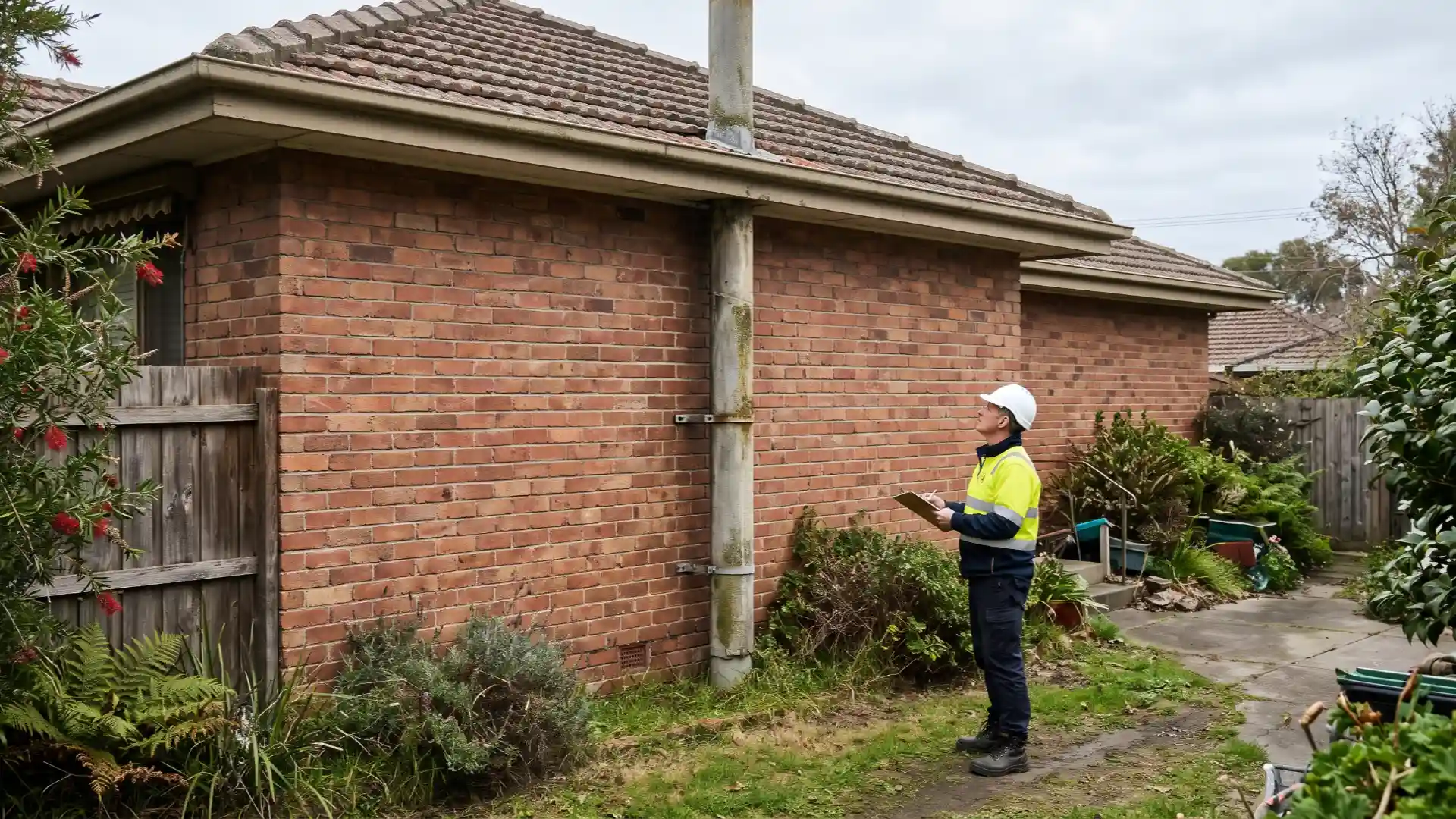
An asbestos cement heater flue may look like an ordinary pipe or an older cement-based building component. However, appearance alone cannot confirm whether asbestos is present. Some flue components may also have been covered by metal or other materials during their service life.
This is why an old heater flue should not automatically be treated as asbestos-free simply because its surface looks intact or has been painted. Equally, age or appearance alone is not enough to confirm that a particular component contains asbestos.
For more information, consult the Australian Government’s Asbestos Product Guide for asbestos cement flue pipes, cowls and fittings.
Where Asbestos May Be Found in an Old Heater Flue System
When planning old heater flue removal, it is useful to understand that an older heating installation may contain several different components. The flue pipe itself may not be the only material requiring attention.
Potential locations include:
- Flue pipes: Older asbestos cement flue pipes may have been used to carry combustion gases away from heaters.
- Cowls and fittings: Some older flue systems used asbestos cement fittings or terminal components.
- Insulation near the heater: Certain older heaters may have contained insulation materials that require separate assessment.
- Seals and jointing materials: Some historical installations used heat-resistant rope, packing or other sealing products.
- Surrounding building materials: Cement sheeting or millboard may be present near the heater installation.
Not all these materials have the same physical properties or removal requirements. A bonded cement component may be non-friable when in suitable condition, whereas loose insulation, lagging or some rope materials may be friable.
The Victorian Government’s asbestos information for homes identifies flue pipes and certain old domestic heater insulation materials as potential asbestos locations.
If you are researching asbestos heater flue removal Melbourne, remember that the complete installation needs to be considered rather than assuming that every visible component is the same material.
Non-Friable and Friable Asbestos: An Important Difference
Understanding the difference between non-friable and friable asbestos is essential before arranging any work.
Non-friable asbestos generally has fibres bound within a solid material, such as asbestos cement. When it remains in good condition and is undisturbed, it is less likely to release airborne fibres than friable asbestos.
Friable asbestos is material that can be crumbled, pulverised or reduced to powder by hand pressure when dry, or becomes that way through a work process. Examples can include some forms of loose insulation and pipe lagging.
The distinction matters because the applicable removal requirements and level of risk can differ considerably.
An old asbestos cement flue may fall within the non-friable category if its material properties and condition support that classification. However, a heater system containing loose insulation or deteriorated material may involve a different situation.
For this reason, asbestos flue pipe removal should not be planned solely on the assumption that the visible pipe is bonded asbestos. Other components may need separate identification and assessment.
WorkSafe Victoria explains the distinction in its guidance on understanding and managing asbestos.
JD Asbestos Removal focuses on suitable non-friable asbestos-containing materials. Projects involving friable asbestos or materials outside this service scope need to be referred to an appropriately qualified and licensed specialist.
Warning Signs That an Old Flue Needs Professional Assessment
An older flue may become a concern when the property owner is planning renovations, changing a heater or addressing visible deterioration.
Circumstances that may justify seeking professional advice include:
- A flue pipe with visible cracking or damage.
- Deteriorating cement components around an older heating appliance.
- A renovation that involves disturbing the existing flue.
- Plans to replace an old heater or alter the surrounding wall or roof.
- Uncertainty about whether a pipe, cowl or fitting contains asbestos.
- Suspected loose insulation or damaged sealing materials around the heater.
These signs do not confirm asbestos. They indicate that the material and work should be assessed before disturbance.
Do not break a piece off, scrape the surface, drill into the pipe or attempt to remove a fitting to identify its contents. If you suspect damage, keep people away from the affected area and seek appropriate advice.
A professional review can help establish whether the material is asbestos-containing, whether it is friable or non-friable, and what type of specialist work may be required.
Planning Asbestos Flue Removal Melbourne Before Replacing a Heater
Replacing an old heater can involve more than disconnecting the appliance. The flue system may pass through a wall, ceiling or roof, and some components may be concealed.
Before arranging asbestos flue removal Melbourne, consider the following planning points.
Identify the existing components
Explain what type of heater is installed, where the flue runs and whether any material has already been identified. Existing inspection reports or laboratory results may help clarify the situation.
If you do not know whether the flue contains asbestos, say that it is suspected rather than confirmed. Do not disturb it to obtain a sample.
Consider the complete renovation scope
If the heater is being replaced, other trades may need access to the same area. Discuss the suspected material with the relevant building or heating professionals before work is scheduled.
Establish whether the material is suitable for the removal provider
The material type and condition must be considered before a provider agrees to the project. A non-friable asbestos cement component may be within one provider’s scope, while friable insulation or another specialist material may not be.
Coordinate the next stage
Once the asbestos-related work has been properly assessed and the scope established, the property owner can coordinate the remaining renovation or heater installation with the appropriate trades.
Heater installation and flue compliance are separate matters from asbestos removal. For information about solid-fuel heater and flue safety, consult the Victorian Building and Plumbing Commission’s wood heaters, solid fuel heaters and flues guidance.
How Professional Non-Friable Asbestos Removal Is Planned
Every property is different. A suitable non friable asbestos removal Melbourne project needs to be considered according to the identified material, its condition, access and the proposed work.
A professional project generally involves several planning considerations.
1. Review the available information
The property owner can provide the location, description of the flue, photographs already available and any existing material identification reports. Photographs should be taken only where they can be obtained without approaching or disturbing suspected asbestos.
2. Establish the material and project scope
The removal provider needs to understand what material is involved and whether it falls within its service scope. If the material has not been identified, appropriate testing advice may be needed before a removal decision can be made.
3. Consider site access and work conditions
The location of the heater, flue height, roof access, surrounding structures and occupancy arrangements can all affect the work plan.
4. Confirm applicable safety requirements
The removal approach must account for the relevant Victorian asbestos requirements, including licensing and appropriate controls. A small amount of material is not automatically exempt from licensing requirements.
5. Plan the resulting waste management
Asbestos waste generated through removal must be handled and disposed of appropriately. JD Asbestos Removal manages the asbestos waste generated through its own agreed removal work. This is not a standalone collection service for waste removed by another person or contractor.
What Affects Asbestos Flue Removal Cost in Melbourne?
The cost of an asbestos removal project depends on the actual material and work required. There is no reliable universal price for every old heater flue.
When considering asbestos flue removal cost Melbourne, the following factors may influence the quote:
- Material type: Asbestos cement components and friable insulation are not interchangeable and may require different specialists.
- Material quantity: The amount of material included in the agreed scope affects the project.
- Condition: Damage or deterioration may change the required approach.
- Access: A flue running through a roof or concealed building area may create additional planning requirements.
- Surrounding structures: Nearby roofing, walls, appliances and other building elements can affect access.
- Site arrangements: Occupancy, access restrictions and coordination with other trades may need to be considered.
- Waste management: The handling, transport and authorised disposal of waste generated through removal form part of the project planning.
If you are comparing small asbestos removal jobs, avoid assuming that a flue project is automatically simple because it involves only one pipe. Its condition, material classification and location can matter more than the visible quantity.
How to Request an Asbestos Removal Quote
When requesting an asbestos removal quote, provide the property suburb, the type of heater if known, the flue location and a description of the work you are planning.
Mention whether the material has been tested or whether asbestos is only suspected. Include any existing reports and photographs that can be shared safely.
For an asbestos removal quote Melbourne property owners can discuss with JD, visit the JD Asbestos Removal quote request page.
The team can review the information and discuss whether the proposed work may be suitable for its non-friable removal service. The quote should be based on the actual scope rather than an assumption that all heater flue materials can be handled in the same way.
Choosing the Right Asbestos Removal Provider
When selecting a provider, make sure the business’s service scope matches the material involved.
Useful questions include:
- Does the provider handle the specific type of asbestos-containing material?
- Is the material confirmed as non-friable?
- Does the proposed work fall within the provider’s relevant licence and service scope?
- What additional identification or assessment may be required?
- What site access and preparation arrangements are involved?
- What is included in the quote?
- How will waste generated through the work be managed?
A suitable provider should explain what it can and cannot undertake. Be cautious of anyone who agrees to remove an old flue without establishing what materials are involved.
Can JD Asbestos Removal Help With an Old Heater Flue?
JD Asbestos Removal specialises in non-friable asbestos removal for suitable residential, commercial and industrial projects. An enquiry involving an old heater flue can be reviewed, but acceptance depends on the identified material, condition, access and proposed scope.
For example, an identified non-friable asbestos cement component may be suitable for review. Loose insulation, friable lagging or other friable components are outside JD’s non-friable removal service and require an appropriately qualified specialist.
JD’s associated waste handling is limited to asbestos waste generated through its own removal work. It should not be treated as a standalone collection service for old flue materials removed by another contractor.
If you are planning asbestos flue removal Melbourne, explain the property details and what you know about the flue through the JD Asbestos Removal services page or its quote enquiry page.
Plan Your Next Step Carefully
An old heater flue may contain asbestos cement components, but other parts of the installation can involve different materials and risks. Identifying what is present before renovation or replacement is therefore an important part of responsible project planning.
If you need advice about asbestos flue removal Melbourne, avoid disturbing suspected material and provide the available details so the appropriate next steps can be considered.
Frequently Asked Questions
-
Can old heater flues contain asbestos?
Yes. Some older heater systems used asbestos cement flue pipes, cowls and fittings. Other components may contain different asbestos materials. Identification should be arranged before suspected materials are disturbed.
-
Are asbestos cement heater flues non-friable?
Asbestos cement flues may be non-friable when the fibres remain bound in a stable cement matrix. However, condition and material classification need to be established. Deteriorated or loose insulation may require a different specialist.
-
Can I remove an old asbestos heater flue myself?
Do not assume that a flue can be removed without a licence because it is small. Victorian requirements depend on material type, quantity, time and other conditions. Seek appropriate professional advice before work begins.
-
How much does asbestos flue removal cost in Melbourne?
The cost depends on material type, quantity, condition, access, site arrangements and waste management. Request a quote based on the actual project scope.
-
Does JD Asbestos Removal handle friable heater insulation?
JD Asbestos Removal specialises in non-friable asbestos removal. Friable insulation, lagging or other friable materials are outside this service scope and require an appropriately qualified specialist.
Leave a Reply