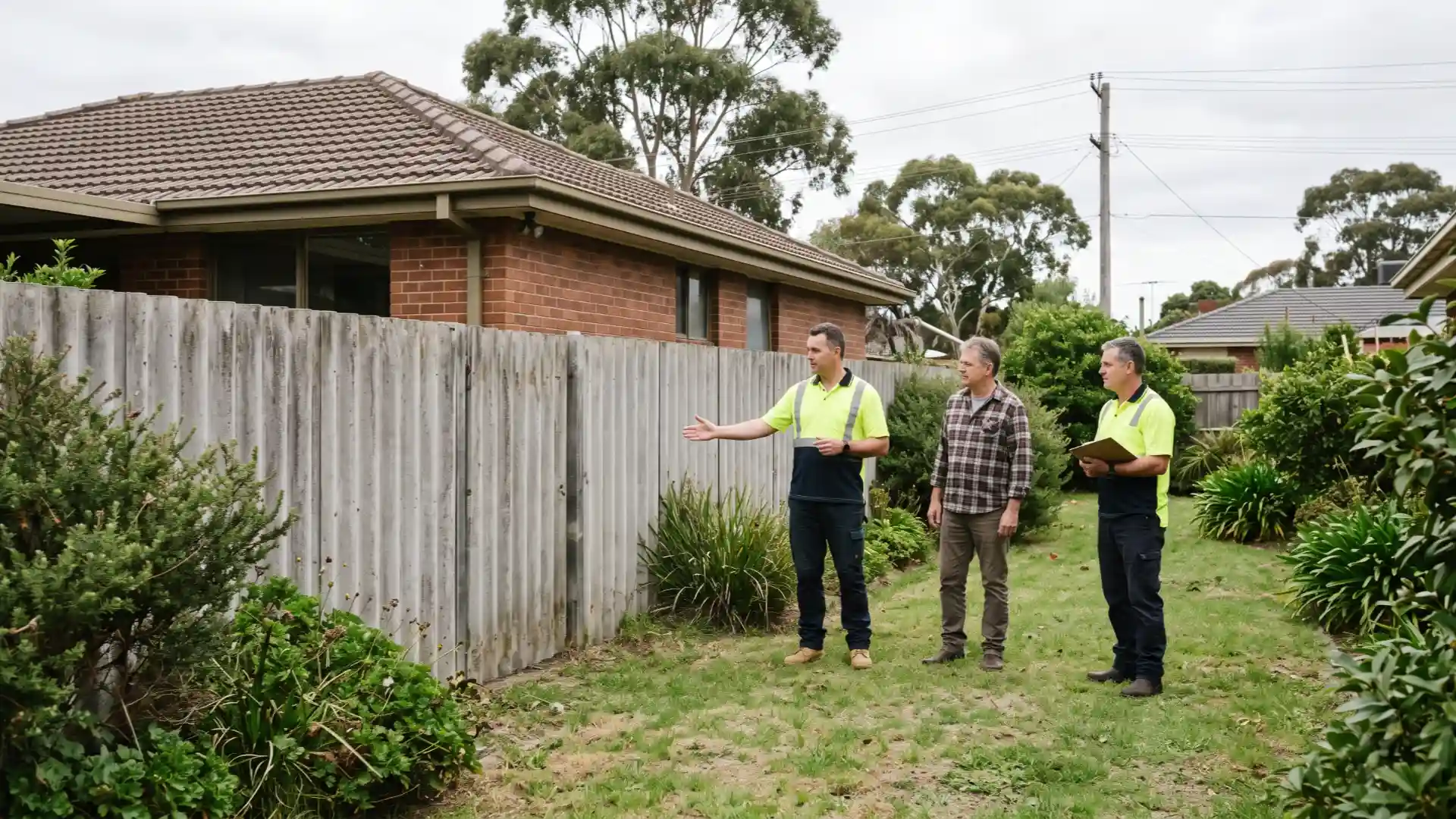
Asbestos fence removal Melbourne is an important consideration for homeowners, landlords and property managers maintaining older properties or preparing for renovations. Some older Australian properties have fences made from asbestos cement sheeting. Although intact non-friable asbestos cement is generally less likely to release fibres when left undisturbed, damaged, broken or incorrectly handled material can create a health risk.
If you are considering asbestos fence removal in Melbourne, understanding the fence’s condition, the removal requirements and the correct waste disposal process can help you plan the next steps or If you have an ageing boundary fence that you suspect contains asbestos, it is important to understand what the material is before planning repairs, replacement or demolition. Cutting, drilling, breaking or sanding suspected asbestos sheets can release hazardous fibres into the air.
JD Asbestos Removal specialises in non-friable asbestos removal for suitable residential, commercial and industrial projects. Whether you are replacing a damaged boundary fence, upgrading an older property or organising a smaller removal project, understanding the assessment, removal and disposal process can help you plan your next steps.
What Is an Asbestos Fence?
Asbestos fencing generally refers to fencing made from asbestos cement sheets or panels. These materials were used in some older Australian properties because they were durable and suitable for outdoor applications.
Over time, exposure to weather, impact damage, movement and general deterioration can affect a fence’s condition. However, an old or weathered fence does not automatically contain asbestos, and appearance alone cannot reliably confirm its composition.
Suspected asbestos cement fencing may be found around:
- Older suburban homes and residential boundaries.
- Backyards and side boundaries.
- Older garages, sheds and outbuildings.
- Commercial and industrial properties.
- Properties undergoing landscaping or redevelopment.
Some fences have been painted, repaired or partially replaced over the years, making it harder to determine which sections contain asbestos.
If you suspect your fence contains asbestos, avoid disturbing the panels while arranging appropriate advice. Where the material cannot be reliably identified, professional assessment and suitable laboratory testing may be required.
For further information about recognising potential asbestos risks, read JD’s asbestos risks and awareness guide.
When Should You Consider Asbestos Fence Removal?
The need for removal depends on the material’s condition, its location and what you intend to do with the property. Not every asbestos-containing fence needs immediate removal, but some circumstances warrant closer attention.
Damaged or deteriorating fence panels
Cracked, broken or badly deteriorated panels may need professional assessment to determine whether removal is appropriate. Damage can increase the possibility of fibre release, particularly if the material is disturbed further.
Do not break off loose pieces, attempt to straighten damaged panels or sweep up suspected asbestos debris yourself. Keep people away from the affected area where practicable and seek appropriate advice.
If a fence has been damaged by a vehicle, falling tree or severe weather, avoid touching or moving the affected material until you have received guidance on what to do next.
Fence replacement and landscaping
Property owners often consider fence replacement when redesigning a backyard, installing new landscaping or improving privacy and security.
If an existing fence may contain asbestos, identify the issue before excavation, demolition or installation work begins. This allows the removal requirement to be considered alongside the wider project rather than discovered after other work has started.
Renovations and redevelopment
Building extensions, preparing a site for redevelopment or removing an old structure may involve asbestos fencing that needs to be assessed before work proceeds.
Builders, landscapers and fencing contractors should be informed about suspected asbestos before undertaking activities that could damage the panels.
Property maintenance
Some owners investigate asbestos fencing while carrying out general maintenance or preparing a property for sale. An assessment can help establish whether the material is asbestos-containing and whether removal or another management approach is appropriate.
The decision should reflect the material’s actual condition and the proposed work, rather than relying on the fence’s age alone.
Understanding Non-Friable Asbestos Fencing
Many older asbestos cement fence panels are classified as non-friable when the cement matrix remains intact. Non-friable material generally cannot be crumbled, pulverised or reduced to powder by hand pressure when dry.
However, non-friable does not mean harmless. Breaking, cutting, drilling or crushing asbestos cement can release fibres. Fire damage or significant deterioration may also change the material’s condition and require a different assessment.
This distinction matters when choosing non friable asbestos removal Melbourne services.
The applicable removal requirements depend on the material, its condition, the quantity involved and the circumstances of the work. Where material is friable, or may become friable through the proposed work, different licensing and safety requirements may apply.
JD Asbestos Removal specialises in non-friable asbestos removal for suitable projects. The team needs to understand the material and proposed work before confirming whether a fence removal enquiry falls within its service scope.
If you are unsure whether your fence contains asbestos, do not cut or break a panel to obtain a sample. Arrange appropriate professional identification and testing where required.
How Does Professional Asbestos Fence Removal Work?
The appropriate removal process depends on the fence’s construction, condition, location and the surrounding property. Planning should account for identification, access, work-area controls and the management of asbestos waste. A suitable asbestos fence removal Melbourne project begins with assessing the material, the site conditions and the work required before the removal approach is confirmed.
1. Assessing the fence
The first step is to establish whether asbestos is present and assess the condition of the panels. Where the material cannot be reliably identified, appropriate sampling and laboratory analysis may be needed.
Existing asbestos reports, photographs and information about previous repairs can help explain the situation during an initial enquiry. Photographs alone cannot confirm whether a fence contains asbestos.
2. Planning the work area
Before removal, the work scope and site arrangements should be established. Relevant considerations include fence length and height, panel condition, ground conditions, nearby gardens, neighbouring properties and access for workers.
The appropriate controls, licensing and any notification requirements must be determined before work begins.
3. Controlled removal
Asbestos fencing must be handled using controls appropriate to the material and work involved. The aim is to prevent or minimise fibre release and avoid contamination of surrounding areas.
Property owners should not attempt to dismantle panels themselves, cut them into smaller sections or ask a general fencing contractor to disturb suspected asbestos without the necessary assessment and arrangements.
If replacement fencing is planned, coordinate the removal stage with the contractor responsible for installing the new fence.
4. Waste handling and disposal
Removed panels, contaminated debris and other asbestos waste must be appropriately contained, handled, transported and disposed of. The receiving facility must be authorised to accept the relevant type of asbestos waste.
JD Asbestos Removal manages the asbestos waste generated through its own removal work. This is associated with the removal service and should not be confused with a general collection service for waste from unrelated projects.
5. Completion and follow-up
The final steps depend on the project scope and applicable requirements. These may include checking the work area and arranging any required independent inspection or clearance before other work resumes.
If new fencing is being installed, the installation schedule should account for the agreed removal work and any necessary follow-up arrangements.
Small Asbestos Removal Jobs: Can a Fence Be Removed in Sections?
Some property owners only need a short stretch of fencing removed, while others need to replace an entire boundary. Small asbestos removal jobs can involve just a few panels, a damaged section or a fence along one side of a property.
However, the amount of material is only one factor in determining the appropriate approach. A small job can still involve difficult access, unstable panels, nearby occupants or a risk of disturbing asbestos fibres.
Important considerations include:
- Fence dimensions: The length, height and number of panels help establish the likely scope.
- Material condition: Intact panels and badly damaged material may require different controls.
- Access: Narrow side passages, sloping ground and nearby structures can affect the work.
- Surroundings: Gardens, driveways, neighbouring properties and pedestrian access may need consideration.
- Other trades: Removal may need to be coordinated with fencing contractors, landscapers or builders.
- Waste arrangements: The removed asbestos must be handled and disposed of appropriately.
Victorian regulations permit certain limited non-friable asbestos removal without an asbestos removal licence when specific conditions are met. These include a total removal area not exceeding 10 square metres and removal work not exceeding one hour in a seven-day period, subject to the applicable rules. This is a limited exception, not a general recommendation for homeowners to remove asbestos themselves. Other safety obligations still apply.
For more information, refer to WorkSafe Victoria’s guidance on managing asbestos.
JD can review enquiries about smaller non-friable asbestos fencing projects to determine whether the work fits its service scope. When contacting the team, describe the fence, its approximate dimensions, its condition and the property’s location.
What Affects an Asbestos Removal Quote in Melbourne?
The cost of asbestos fence removal Melbourne projects varies depending on the actual work required. An asbestos removal quote should reflect the material, site conditions and waste arrangements rather than relying on a standard price per panel.
Length and quantity of fencing
The total fence length, height and number of sheets affect the amount of material involved. A short section may require different resources from a long boundary fence or multiple fenced areas.
Condition and stability
Cracked, broken or unstable panels may require additional planning. If the material is suspected to be friable or has been significantly damaged, the appropriate assessment and removal requirements may differ.
Access and surrounding structures
A fence beside a narrow driveway, retaining wall, garden bed or neighbouring structure can be more complicated to access than a fence in an open area. Site access may influence the time and arrangements needed.
Site preparation and controls
The work area, nearby occupants and surrounding activities influence the controls required. Properties with shared access or active commercial operations may need additional coordination.
Waste management and disposal
The quantity of asbestos waste, containment arrangements, transport requirements and the authorised disposal facility can affect the project cost.
Testing and additional requirements
If asbestos has not been confirmed, appropriate inspection and laboratory testing may be required before the removal scope can be finalised. Any testing, inspection or independent clearance costs should be clarified in advance.
To request an asbestos removal quote, provide your Melbourne suburb, an estimate of the fence length and height, its condition, access details and the reason for removal. Existing reports and photographs may help explain the job, but they do not replace appropriate material identification.
You can use JD’s asbestos removal quote page to discuss the project. Confirm any charges for inspection or testing before proceeding.
Choosing an Asbestos Fence Removal Provider
Choosing a removal provider involves more than comparing the lowest price. The provider must be appropriate for the type of material and work involved, with clear arrangements for site management and waste disposal.
Before proceeding, ask the provider to explain:
- Whether the material and proposed work fall within its removal scope.
- What quantity and sections of fencing are included in the quote.
- How the work area and neighbouring spaces will be managed.
- How asbestos waste will be handled and disposed of.
- Whether licensing, notification or independent clearance requirements apply.
- What circumstances could change the price or timing.
Check relevant licensing and credentials where required. WorkSafe Victoria provides information about asbestos removal licensing and the applicable requirements.
JD Asbestos Removal specialises in non-friable asbestos removal for suitable residential, commercial and industrial properties. Its service includes responsible management and disposal of asbestos waste generated through its removal work.
To learn more about the company’s service scope, visit the JD Asbestos Removal services page.
Plan Your Asbestos Fence Removal in Melbourne
An older fence that may contain asbestos should be assessed before repairs, landscaping or replacement work disturbs the panels. Understanding the material, fence dimensions, access conditions and proposed work helps establish an appropriate removal plan.
JD Asbestos Removal specialises in non-friable asbestos removal for suitable residential, commercial and industrial projects. If you are planning asbestos fence removal in Melbourne, share your property location and details of the fence so the team can review your enquiry.
Request an asbestos removal quote to discuss your project and the next steps.
Frequently Asked Questions
How can I tell if my fence contains asbestos?
The fence’s age and appearance may raise suspicion, but they cannot reliably confirm asbestos content. Some older asbestos cement panels resemble other building products. If identification is uncertain, arrange appropriate professional assessment and testing where required. Avoid disturbing the panels while their status is being established.
Can I remove a small asbestos fence myself?
Certain limited non-friable asbestos removal may be exempt from licensing under specific Victorian conditions. That does not mean DIY removal is generally advisable or that other safety obligations can be ignored. Fence stability, access, material condition and the possibility of fibre release all matter. Seek appropriate advice before disturbing suspected asbestos.
Does JD remove small sections of asbestos fencing?
JD Asbestos Removal specialises in non-friable asbestos removal for suitable projects. If you have a short section of suspected asbestos fencing that needs removal, contact the team with the property location, material information and approximate dimensions. The suitability of the work depends on the specific project requirements.
What information should I provide for an asbestos removal quote?
Provide the Melbourne suburb, approximate fence dimensions, material condition, access details and the reason for removal. Existing asbestos reports and photographs can help explain the project. An inspection or testing may still be needed to confirm the material and final scope.
How is asbestos fence waste disposed of?
Asbestos waste must be appropriately contained and delivered to a facility authorised to receive it. Requirements can vary according to the waste source and type, particularly for commercial or trade-generated waste. JD manages disposal of asbestos waste generated through its own removal work. Read EPA Victoria’s asbestos waste disposal guidance for further information.
Leave a Reply