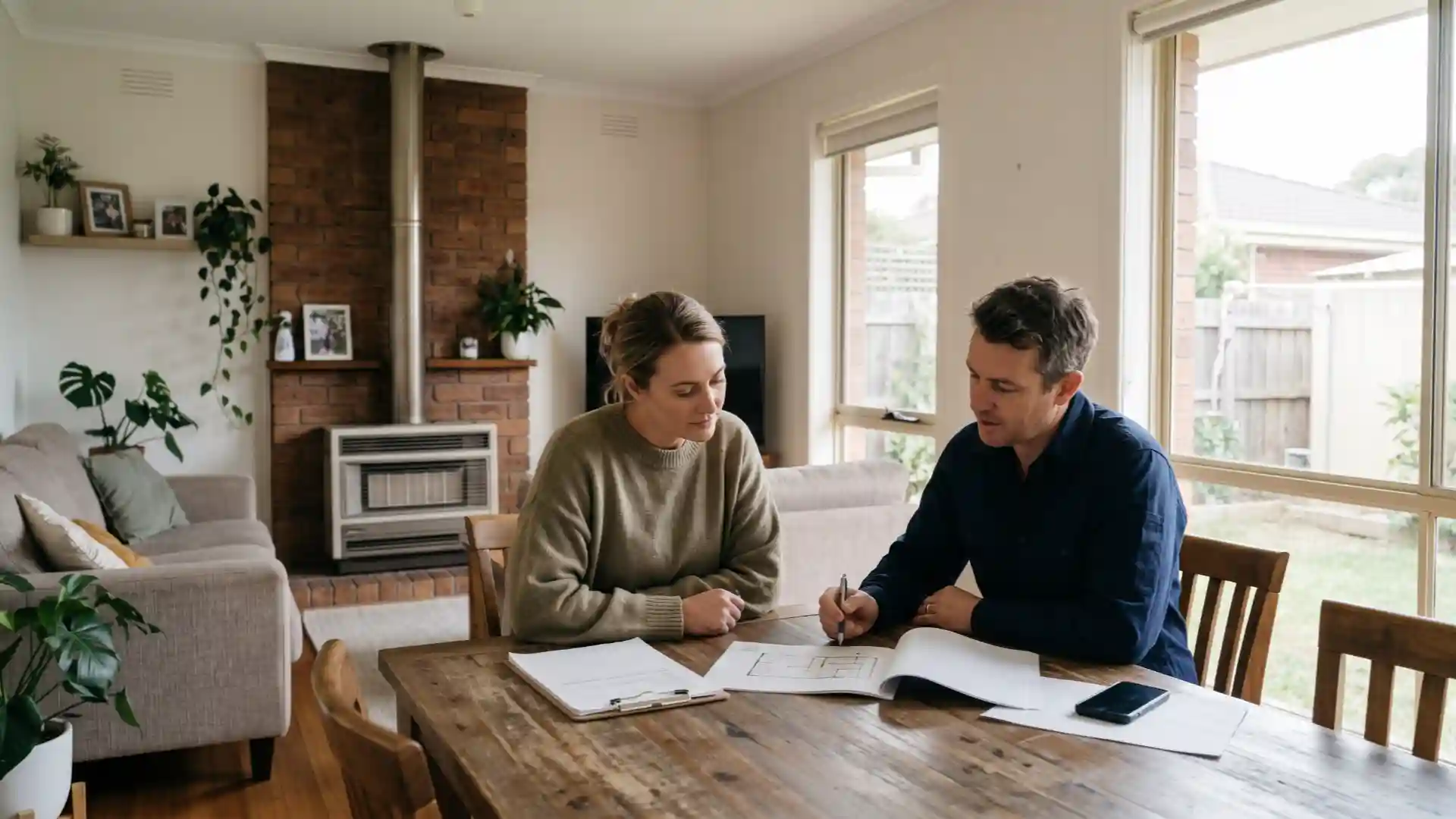
A home improvement can begin with a simple goal: replace an old heater, install a new hot water system or make better use of a room. Then a contractor notices an older flue, and the project needs another conversation. Before anybody alters the installation, you need to understand whether the material has been identified and how it relates to the proposed work.
Asbestos flue removal during home improvements is best discussed as part of the overall project plan. The questions are practical: what needs checking, which sections are included, who handles the appliance, and what happens to the opening left behind? Clear answers help you arrange the work without assuming one contractor will cover every task.
JD Asbestos Removal specialises in suitable non-friable asbestos removal and responsible disposal of waste generated through its work. This guide focuses on the questions homeowners can ask when a suspected or identified flue becomes part of a renovation enquiry.
Has the Flue Material Been Identified?
An older pipe may resemble an asbestos cement product, but resemblance is not confirmation. WorkSafe Victoria lists flues among historical uses of asbestos cement and explains that laboratory analysis may be required to identify asbestos. Do not assume the material contains asbestos merely because the house or appliance is old.
Ask whether an existing report covers that particular flue. A laboratory result for another material, such as garage sheeting, does not establish what the pipe contains. If the installer raised a concern based on appearance, describe it as suspected material when contacting the removal team.
Where identification is unresolved, appropriate professional identification or testing may be needed before the work is planned. Do not scrape the pipe, break off a piece or open a concealed section to investigate. Ask what information can be provided without disturbing it.
Is It Suitable for Non-Friable Removal?
The pipe and any associated insulation may be different materials. WorkSafe distinguishes bonded non-friable products from friable materials, including pipe lagging; condition can also affect classification. A cement-like appearance does not settle the suitability of the entire installation.
JD’s confirmed scope is non-friable removal. Asbestos flue removal during home improvements therefore needs a project review before the service can be confirmed. If associated material is friable or uncertain, its appropriate assessment and removal pathway must be established separately.
For background, see WorkSafe Victoria’s asbestos material guidance.
What Will the Home Improvement Change?
Describe the improvement you intend to make, rather than enquiring only about “a pipe.” Is the appliance being replaced in the same position? Will a wall or ceiling be opened? Is the roof being repaired at the same time? These details explain where the existing flue meets the proposed work.
You do not need to decide the removal method yourself. Instead, share the builder’s or installer’s proposed scope and explain which parts remain undecided. That gives the removal team a clearer basis for reviewing the enquiry.
Asbestos Heater Flue Removal During an Upgrade
For asbestos heater flue removal enquiries, clarify whether the heater is still connected and whether an appropriately qualified appliance contractor has assessed the replacement. Removal of an asbestos-containing component should not be assumed to include gas or electrical disconnection, heater installation or commissioning.
Ask the installer what must be completed before it can proceed. Then discuss the sequence with the removal team. Avoid confirming an installation date on the assumption that identification, removal and repairs can all happen immediately beforehand.
Asbestos Hot Water Flue Removal
An asbestos hot water flue removal enquiry may raise similar questions about the old appliance and the replacement arrangement. Explain whether the proposed system will use the existing position or a different location, and let the appliance contractor define its own work.
Asbestos flue removal during home improvements can involve several appointments. Understanding each contractor’s responsibilities early helps you plan the project around confirmed information rather than an assumed package.
Does the Quote Cover the Whole Flue?
The section visible above a heater or on the roof may not show the full extent of the pipe. Ask whether the proposed quote includes all identified sections or a clearly described part of the installation.
If a section is concealed, discuss how its extent will be assessed and what happens if additional material is discovered. A removal quote should explain its assumptions rather than leave you guessing about which lengths or components are included.
For asbestos cement flue removal, also distinguish the pipe from nearby materials. Roof sheeting, ceiling finishes or insulation should not be treated as part of the same job without being identified and included in the agreed scope.
JD’s residential asbestos removal information provides wider context for suitable home projects. Tell the team if the flue enquiry forms one part of a larger renovation.
Who Will Arrange Access and Building Repairs?
Access can influence how a project is reviewed and organised. Describe what is already known about the flue’s location, roof access and surrounding spaces. Supply existing photographs or images taken from an accessible position without disturbance; do not climb onto the roof to obtain a better view.
Ask which access arrangements are included and whether anything must be organised before the agreed work. If another contractor is providing access equipment or opening a building section, clarify the responsibilities and sequence.
Who Makes the Roof Weatherproof Afterwards?
A flue passing through the roof can leave an opening when removed. Ask who will repair that area and when the work will take place. Do not assume roof repairs or weatherproofing form part of the asbestos removal quote.
The same applies to ceilings, walls and other finishes. Discuss whether repairs, painting and replacement components need a separate trade. These questions help define the whole improvement project, even when the removal itself has a narrow scope.
Asbestos flue removal during home improvements should be planned with the following work in mind. A homeowner needs to understand what will be ready for the next contractor and what remains to be arranged.
What Affects the Asbestos Flue Removal Cost?
The visible length of pipe is not enough to establish an asbestos flue removal cost. Its full extent, identified material, condition and access requirements all need consideration for the actual property.
An accessible section and a pipe extending through a concealed space may present different planning requirements. The quote should reflect the proposed scope, rather than a price guessed from a photograph.
When comparing quotes, check what each one includes:
- The identified material and sections to be removed.
- The access arrangements assumed.
- Management and disposal of waste from the removal.
- Work excluded, such as appliance services or building repairs.
- How changes to the agreed scope will be discussed.
A lower total is not easy to judge if the proposals cover different work. Ask for clarification before accepting a quote, especially if part of the flue remains concealed or the appliance arrangements are undecided.
Planning asbestos flue removal during home improvements? Request a free quote from JD with the suburb, available reports and a description of the proposed work.
How Will Waste Disposal and Completion Be Handled?
Ask whether the waste generated through removal is included in the quote and how completion will be communicated. JD’s confirmed service includes responsible disposal of asbestos waste generated through its own removal work.
EPA Victoria explains that asbestos waste must go to a place authorised to receive it. Its asbestos waste disposal guidance provides the official context. A flue removed from a house is not ordinary renovation waste.
If somebody has already removed material, say so when enquiring. Do not assume JD offers a separate collection service for another person’s waste. Describe the situation without handling the material to prepare it for the enquiry.
When Can the Next Trade Continue?
Ask what completion information will be provided and what conditions need to be met before the next trade proceeds. Do not assume a particular certificate or document is automatically included; clarify the requirements for the actual project.
Confirm outstanding tasks with the builder or installer as well. Removal, appliance replacement and repair of building openings are separate responsibilities unless the agreed scope specifically combines them.
Asbestos flue removal during home improvements is easier to coordinate when each contractor has the same understanding of what is complete and what remains.
Plan Your Flue Enquiry With JD
Asbestos flue removal during home improvements starts with the details you already have: the property suburb, available identification records and the renovation work proposed. You do not need to disturb a suspected pipe or diagnose its contents yourself before making an enquiry.
JD can review suitable non-friable removal projects, including disposal of waste generated through its work. Explain what the installer or builder has proposed, any uncertainties about concealed sections, and the dates you hope to work towards.
Frequently Asked Questions
Should I Book the New Heater Before the Flue Has Been Reviewed?
Discuss the suspected or identified material with the installer and removal team before committing to the sequence. The material, access and scope may need clarification first. Ask the installer which tasks must be completed before its appointment, then arrange dates around the agreed plan.
Can the Builder Remove the Pipe While Opening the Ceiling?
Do not assume a builder’s general renovation scope covers asbestos removal. The identified material, appropriate permissions and removal arrangements need to be established. Tell the builder about the concern before work that could disturb the pipe begins.
Do I Need to Remove an Old Flue That Will Not Be Used?
That requires a property-specific discussion. Explain whether the proposed work will disturb the flue, change its support or affect surrounding building areas. Appropriate assessment can help establish the next step; an unused appliance alone does not answer every question about the remaining installation.
What If Another Section Is Found After the Work Starts?
Raise that possibility before accepting the scope. Ask how newly discovered or uncertain material will be reviewed and how any additional work would be agreed. Avoid treating an uncovered section as identical to previously identified material without appropriate consideration.
Is Removal Included in My Heater or Hot Water Replacement Quote?
Check the written inclusions and ask the appliance contractor directly. Do not assume its price includes asbestos removal, disposal or roof repairs. If another contractor is needed, clarify who coordinates the appointments and which tasks must happen first.
Leave a Reply