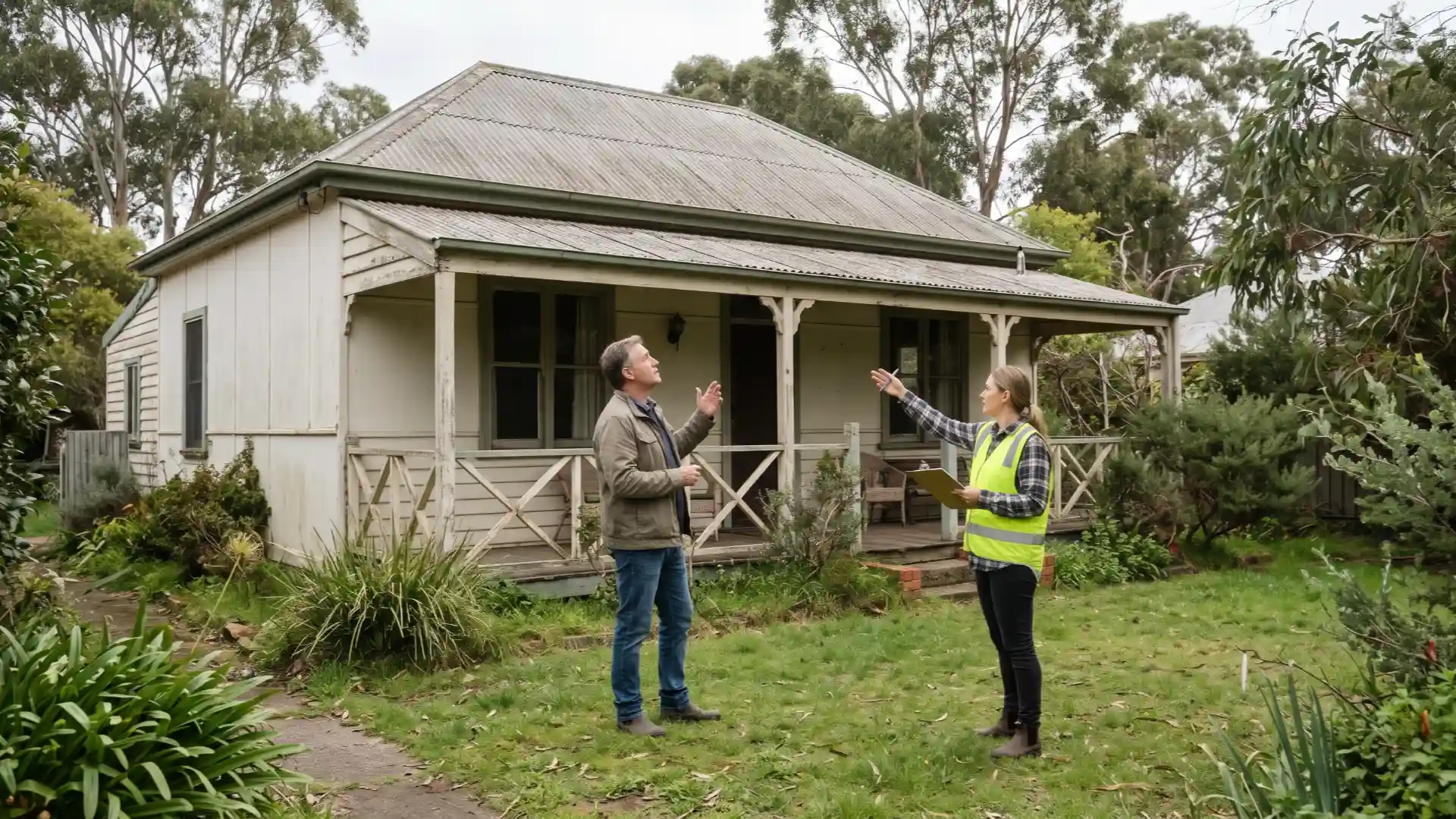
Older Australian homes often have verandahs constructed with cement sheeting and roofing materials that may contain asbestos. These structures can remain in place for many years, but questions may arise when homeowners decide to renovate, repair or improve their outdoor living areas.
Planning verandah asbestos sheet removal should be an important part of the renovation process when asbestos-containing materials are suspected or confirmed. Understanding the material, arranging appropriate professional advice and coordinating the work with other renovation activities can help homeowners make informed decisions.
Rather than treating asbestos removal as an ordinary building task, property owners should consider it a separate project requiring suitable expertise, regulatory awareness and careful coordination.
Understanding Asbestos Cement Verandah Sheets
Asbestos was historically used in a range of Australian building products, including cement sheets, roofing materials and external wall cladding. Older verandahs may contain these materials as part of their original construction or subsequent renovations.
Asbestos cement verandah sheets generally refer to bonded materials in which asbestos fibres are incorporated into a cement matrix. These products are commonly classified as non-friable when the material remains bonded and is in a solid condition.
However, the appearance of a building material alone cannot reliably establish whether it contains asbestos. Age, construction history and visual characteristics may raise questions, but homeowners should seek appropriate professional advice rather than making assumptions.
Why verandah materials require attention
Verandahs are exposed to outdoor conditions over extended periods. Weather, ageing, previous repairs and general building deterioration may affect the condition of older materials.
Homeowners may become concerned about verandah sheets when:
- Planning to replace an older verandah roof.
- Organising broader exterior renovations.
- Addressing deterioration identified during property maintenance.
- Preparing a property for significant improvements.
- Coordinating renovation work with other building contractors.
These circumstances do not automatically mean asbestos removal is necessary. The appropriate response depends on the material, its condition, the proposed work and professional assessment.
When to Consider Verandah Asbestos Removal
The need for verandah asbestos removal may become apparent when planned building work could disturb existing asbestos-containing materials.
For example, a homeowner intending to replace an older verandah structure may need to address the existing sheets before the new construction can proceed.
Similarly, maintenance work involving external walls, roof structures or connected building components may require consideration of nearby asbestos-containing materials.
Renovations involving existing verandah structures
A renovation project may involve several trades, including roofing contractors, builders, electricians and other specialists.
If the verandah contains suspected asbestos materials, the renovation schedule should account for this before other contractors begin work that could disturb the material.
Planning asbestos removal before construction can help avoid unnecessary project delays and uncertainty about work sequencing.
Deteriorating or damaged materials
Older materials may require attention if there are signs of deterioration or damage.
Homeowners should avoid disturbing suspected asbestos materials and arrange appropriate professional advice. They should not assume that a material is safe simply because it appears intact or that it must be removed solely because it is old.
The decision should consider the material’s condition and the requirements of the proposed renovation.
Planning Verandah Asbestos Sheet Removal Before Renovation
Good project planning begins before renovation contractors start work.
When planning verandah asbestos removal, homeowners should gather relevant property information and communicate their proposed renovation requirements to the appropriate professionals.
The following considerations can help organise the project.
1. Understand the existing building materials
Start by gathering any available building records, renovation documents or previous material information relating to the verandah.
If asbestos is suspected, obtain appropriate professional advice about identification and assessment. Do not attempt to confirm the material by cutting, breaking or otherwise disturbing it.
An asbestos removal assessment may be relevant when determining what materials are involved and whether professional removal is required.
2. Explain the planned renovation work
Describe the intended improvements clearly.
For example, explain whether the project involves replacing verandah roofing, modifying an existing structure or carrying out wider exterior improvements.
This information helps the relevant professionals understand how the existing material relates to the planned construction work.
3. Coordinate the project schedule
The removal work should be considered when preparing the broader renovation timeline.
Homeowners should discuss expected project stages, site access arrangements and the relationship between removal work and subsequent construction.
The asbestos removal contractor and renovation contractors should understand their respective responsibilities.
This coordination helps reduce the risk of conflicting work activities and avoidable scheduling problems.
4. Confirm the required professional arrangements
Homeowners should establish who is responsible for the relevant asbestos-related work and confirm that the proposed contractor has the appropriate licence and qualifications for the material and work involved.
In Victoria, WorkSafe Victoria provides information about asbestos removal licence classes and their authorised scope.
A Class B licence relates to non-friable asbestos removal, while Class A licensing covers all asbestos types. Specific licence conditions and applicable exceptions must also be considered.
Read the official WorkSafe Victoria asbestos removal licensing information.
5. Discuss project documentation
Before work is arranged, homeowners should understand what documentation applies to their particular project.
Depending on the circumstances, this may include relevant removal documentation, notifications, contractor details and information about the completion of the work.
Requirements can differ according to the type and amount of material and the applicable regulations.
Important Asbestos Removal Safety Requirements
Asbestos removal safety requirements should be considered before any renovation involving suspected asbestos-containing materials.
The distinction between friable and non-friable asbestos is particularly important.
Non-friable asbestos is bonded within a solid material, whereas friable asbestos can be reduced to powder or become crumbled under pressure when dry.
These categories are not interchangeable, and the appropriate removal requirements depend on the material’s condition and classification.
Homeowners should not attempt to determine the classification through physical disturbance.
Understanding Victorian regulatory requirements
In Victoria, asbestos removal work is regulated under the Occupational Health and Safety framework.
WorkSafe Victoria sets out licensing and notification requirements for asbestos removal work. Notification timeframes depend on the circumstances and amount of material involved.
For example, WorkSafe specifies different notification periods for licensed removal work involving up to 10 square metres of non-friable material and other removal work.
Homeowners should not assume that a small verandah automatically qualifies for an exemption. The applicable requirements must be confirmed for the actual project.
Further information is available through WorkSafe Victoria’s asbestos removal notification guidance.
Appropriate waste management
Asbestos waste must be managed through the applicable waste management requirements.
In Victoria, the Environment Protection Authority explains that asbestos waste must be directed to a facility authorised to receive the relevant waste category.
This is an important consideration when arranging professional removal because disposal arrangements form part of the overall project responsibilities.
For more information, consult EPA Victoria’s asbestos waste disposal guidance.
JD Asbestos Removal’s waste disposal scope should be understood in the context of waste generated through its own asbestos removal work, rather than as a separate waste collection service.
Choosing an Asbestos Removal Contractor
Selecting an appropriate asbestos removal contractor is an important part of verandah renovation planning.
Homeowners should consider the contractor’s authorised service scope, relevant licence requirements and ability to explain the proposed work clearly.
Before making arrangements, consider discussing the following points:
- Whether the proposed material falls within the contractor’s authorised removal scope.
- What information is required about the property and verandah.
- Whether the proposed work requires notification or other regulatory arrangements.
- How the work will be coordinated with the renovation schedule.
- What documentation will be provided for the project.
- How waste generated through the removal work will be managed.
An asbestos removal contractor should be able to explain the relevant project arrangements and identify matters requiring further clarification.
Avoid choosing a contractor based solely on a price estimate without understanding what is included in the proposed work.
Why the removal scope matters
Non-friable asbestos removal and friable asbestos removal involve different licensing and work requirements.
JD Asbestos Removal focuses on non-friable asbestos removal. This means that any proposed work must fall within its confirmed service scope.
If the material is identified as friable or falls outside the company’s authorised scope, the homeowner should seek an appropriately qualified and authorised provider.
This distinction helps ensure that the project is referred to a suitable professional rather than treating all asbestos-containing materials as the same.
Coordinating Asbestos Removal With Verandah Renovations
Verandah renovation planning should account for asbestos-related requirements before construction activities are organised.
Once the relevant removal arrangements have been established, homeowners can coordinate the next stages with their building professionals.
For example, a renovation project may involve replacing an older roof, improving the outdoor area or modifying parts of the existing structure.
These activities should be scheduled with consideration for the completion of any required asbestos removal work and the relevant site arrangements.
Communicating with other contractors
Clear communication is particularly important when multiple contractors are involved.
Homeowners should ensure that their builder, roofing contractor and asbestos removal provider understand the agreed project sequence.
They should also establish who is responsible for confirming that the site is ready for subsequent renovation activities.
This can help avoid misunderstandings about access, responsibilities and the timing of different work stages.
Keeping project records
Maintaining relevant project records can make it easier to manage the renovation.
Homeowners should retain applicable contractor information, quotations, agreements, relevant notifications and completion documentation.
These records may also be useful when discussing future property maintenance or renovation work.
Planning verandah asbestos sheet removal? Contact JD Asbestos Removal to discuss your non-friable asbestos removal requirements and the next steps for your property.
Frequently Asked Questions
-
How can homeowners identify potential asbestos sheets on an older verandah?
The age and appearance of a verandah may raise concerns, but visual inspection alone cannot confirm asbestos content. Homeowners should seek appropriate professional advice and avoid disturbing suspected materials.
-
What is non-friable asbestos in verandah cement sheets?
Non-friable asbestos is asbestos-containing material in which the fibres are bonded within a solid material, such as cement sheeting. Its classification and condition should be assessed appropriately.
-
When should verandah asbestos sheets be professionally assessed for removal?
Professional advice should be sought before renovation, repair or construction work that could disturb suspected asbestos-containing materials, or when deterioration is identified.
-
What should homeowners discuss with an asbestos removal contractor before renovation?
Discuss the material, proposed renovation, removal scope, applicable licensing and notification requirements, project timing, waste management and relevant completion documentation.
-
Can verandah renovations proceed before identified asbestos materials are addressed?
This depends on the proposed work and the location and condition of the asbestos-containing materials. Homeowners should obtain appropriate professional advice and coordinate the renovation with the required asbestos management or removal arrangements.
Leave a Reply