Older residential properties across Melbourne and Victoria may contain asbestos-containing materials in external structures, including boundary fencing. These materials can become relevant when owners plan renovations, property improvements, extensions or changes to an existing outdoor area. Although an older cement fence may appear to be an ordinary part of the property, uncertainty about its material composition can make seeking professional advice, especially regarding professional asbestos fence removal, an important consideration.
At JD Asbestos Removal, the focus is on non-friable asbestos removal for suitable residential, commercial and industrial properties, including responsible management and disposal of waste generated through our own removal work. Understanding the property, proposed work and relevant site circumstances helps establish whether a particular project falls within the available service scope.
Planning is not simply about arranging the removal of an existing fence. It also involves understanding the property boundary, considering neighbouring properties, identifying the wider project requirements and establishing how the proposed work relates to other renovation activities.
Understanding Older Asbestos-Containing Boundary Fences
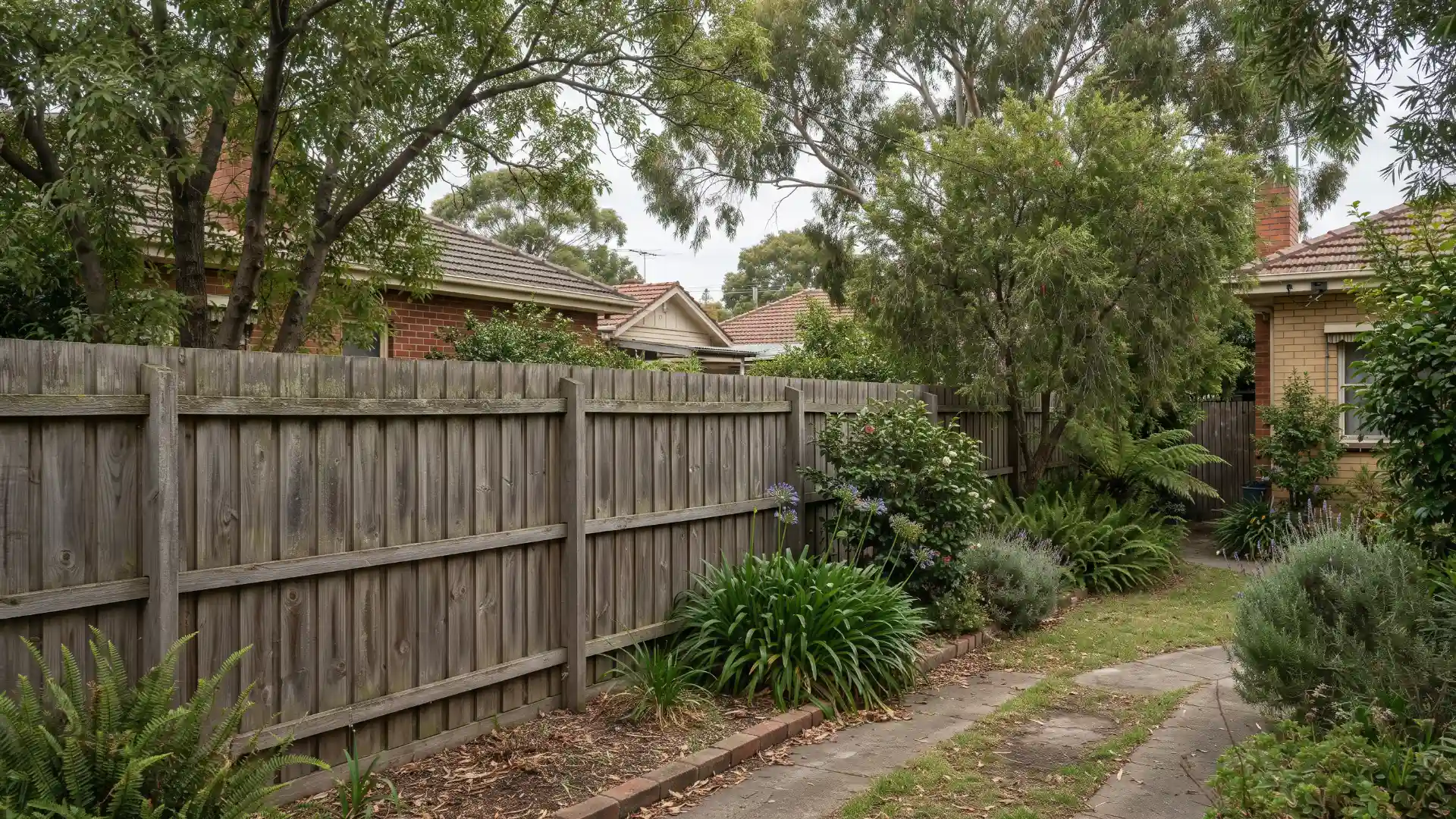
Asbestos-containing cement products were used in Australian building applications for many decades. Some older residential properties may therefore have boundary fencing made from asbestos cement materials. The presence of an older fence does not, by itself, confirm that it contains asbestos, and appearance alone cannot reliably establish its composition.
WorkSafe Victoria explains that non-friable asbestos-containing materials generally have fibres bonded within cement or another stable material. However, the classification of a material depends on its characteristics and condition. Deterioration or other damage can change the relevant risk considerations.
Property owners should not attempt to identify suspected asbestos by disturbing the material. If there is uncertainty, appropriate professional advice should be sought before any work affecting the fence is considered.
This distinction matters because an asbestos fence project should not be treated as an ordinary fencing replacement without first understanding the material involved. The proposed work must be considered in relation to the actual material and its condition.
When Professional Asbestos Fence Removal May Be Appropriate
Professional asbestos fence removal may become relevant when a property owner is planning renovation, redevelopment or a change to an existing outdoor space involving suspected or identified non-friable asbestos-containing fencing. Understanding the importance of professional asbestos fence removal ensures safety and compliance throughout the process.
Common circumstances include:
- An older residential boundary fence forming part of a planned property improvement.
- A fencing project associated with a broader renovation.
- A proposed change to an outdoor living area where existing materials are relevant.
- A property development project involving older external structures.
- A planned replacement of existing fencing where asbestos-containing materials have already been identified.
These circumstances do not automatically establish that removal is necessary or that a particular material is suitable for JD’s service. The material, condition and proposed work must be considered before a suitable scope can be established.
The purpose of professional asbestos fence removal planning is to understand the project before commitments are made. This helps distinguish general fencing work from work involving asbestos-containing materials and clarifies whether the proposed removal falls within JD’s non-friable service scope.
Property Preparation Considerations Before a Fence Project
A boundary fence can form part of several interconnected property requirements. It may separate residential lots, define an outdoor area or sit alongside landscaping, garages and other structures. Consequently, property preparation considerations extend beyond the fence itself.
The wider property context may influence how a project is organised. For example, an owner planning landscaping at the same time as a fence replacement may need to consider how the different activities relate to each other. A property undergoing renovation may also have other contractors or scheduled building activities that need to be considered.
It is useful for the project discussion to establish:
- The general location of the existing fence.
- Whether the fence forms part of a shared property boundary.
- Whether the property is residential or part of a larger development.
- The broader renovation or improvement being considered.
- Whether relevant project information is already available.
- Whether other scheduled work may affect the proposed arrangements.
These are planning considerations rather than instructions for preparing or disturbing suspected asbestos materials. Property owners should leave any suspected asbestos-containing material undisturbed and obtain appropriate professional advice.
A clear understanding of the property helps create a more accurate project discussion and reduces the possibility of overlooking important site circumstances.
Neighbouring Properties and Boundary Arrangements
Boundary fencing can involve more than one property owner. In residential settings, a fence may sit along a shared boundary or form part of an arrangement between adjoining properties. This creates additional communication and planning considerations.
Before making commitments about a shared fence project, property owners may need to understand who owns the relevant land, whether the fence is shared and whether any agreements or local requirements apply. These questions can depend on property records, existing arrangements and the circumstances of the proposed work.
Neighbouring property considerations may include:
- Whether adjoining owners are aware of the proposed project.
- Whether there are questions about the location of the legal boundary.
- Whether access arrangements require separate agreement.
- Whether other property improvements are being planned nearby.
- Whether the timing of the proposed project affects either property.
Property owners should not assume that a shared fence automatically gives either party unrestricted access to neighbouring land or authority to arrange work affecting both properties.
Where ownership or responsibility is uncertain, appropriate property or legal advice may be needed. The asbestos removal contractor’s role should remain clearly defined and should not be confused with resolving private boundary disputes.
For this reason, property boundary arrangements should be considered separately from the technical scope of asbestos removal.
Establishing the Project Scope and Service Requirements
An important part of asbestos fence project planning is understanding precisely what work is being considered.
A property owner may initially describe the project as an old fence replacement. However, the relevant work may involve a broader renovation, an external structure or multiple materials across the property. A clear project description helps distinguish the asbestos-related requirements from unrelated building or fencing work.
The removal service scope should reflect the material involved and the work being requested. JD Asbestos Removal focuses on suitable non-friable asbestos-containing materials. It should not be assumed that every suspected asbestos material or every type of asbestos-related project falls within this service.
Information already available about the property and project can help the team understand the enquiry. Existing professional reports and relevant renovation details may provide useful context.
The discussion may consider:
- The property location and general setting.
- The identified or suspected material.
- The intended renovation or improvement.
- The relationship between the fence and other structures.
- Any known project constraints.
- Whether the proposed work appears to fit the non-friable removal service.
This is an important distinction between an enquiry and an agreed project. An initial discussion does not automatically confirm that the material, work or site requirements are suitable.
A clearly defined removal service scope helps establish what is included and which matters may require separate professional advice or arrangements.
Property Access Arrangements and Project Coordination
Property access arrangements can be relevant to residential projects, particularly where a boundary fence is located close to neighbouring land, buildings or other external structures.
The available property information may help identify whether there are access considerations that need to be discussed before the proposed work is agreed. This can include the relationship between the property layout, surrounding structures and other activities taking place at the site.
Access arrangements should be considered in the context of the agreed professional work. They should not be interpreted as permission to enter another person’s property or undertake work outside the agreed scope.
For residential owners, these discussions may also involve household scheduling and the coordination of other planned activities. If other contractors are involved in a wider renovation, their proposed work may need to be considered when establishing a suitable project schedule.
For example, landscaping, general building improvements and fencing replacement may form separate parts of a larger property project. Their relationship should be understood before the overall schedule is finalised.
Professional project coordination helps clarify responsibilities, expected arrangements and the relationship between the asbestos removal work and other activities.
Renovation Coordination and Wider Property Improvements
Asbestos-containing materials may be one part of a much larger property improvement project. An owner planning an extension, external renovation or garden redesign may need to consider whether existing structures affect the intended work.
Renovation coordination is therefore an important part of early project discussions. It helps property owners understand how the proposed removal work relates to their broader plans without assuming that all building activities form part of the asbestos removal service.
For instance, a property owner may be considering new landscaping after an existing fence has been addressed. Another owner may be planning a broader renovation involving external structures and other building materials.
In either case, the asbestos-related work should be considered as a distinct part of the overall project.
Useful planning discussions can establish:
- The relationship between the proposed fence work and the renovation.
- Whether other contractors are involved.
- Whether the project has proposed scheduling requirements.
- Which work falls within the asbestos removal enquiry.
- Which activities require separate contractors or approvals.
This helps prevent confusion about responsibilities and service boundaries.
JD’s residential asbestos removal service covers suitable non-friable asbestos removal projects, including relevant residential fencing work where the material and proposed work are within scope. Further information is available on the JD residential asbestos removal service page.
Waste Management and the Responsibilities of a Removal Project
Waste management is another consideration associated with professional asbestos removal. A project involving asbestos-containing materials needs to account for the waste generated through the agreed removal work.
For JD Asbestos Removal, responsible management and disposal of asbestos waste are associated with its own non-friable asbestos removal service. This distinction is important because the business’s confirmed service should not be represented as a general collection or disposal service for asbestos waste from unrelated projects.
Property owners should understand what waste management is included within the agreed removal scope and how this relates to the overall project arrangements.
The WorkSafe Victoria asbestos guidance provides broader information about asbestos-containing materials and the importance of appropriate management. The applicable requirements can depend on the nature of the work and the setting in which it occurs.
Waste responsibilities should therefore be discussed as part of the professional project scope rather than treated as an unrelated afterthought.
Understanding the Importance of Professional Project Communication
Clear communication is important when a property project involves suspected or identified asbestos-containing materials.
An enquiry should provide enough general context for the removal provider to understand what the property owner is planning. Existing information about the property, relevant reports and the broader renovation context can help support an initial discussion.
Professional asbestos removal enquiries should also distinguish between confirmed information and matters that remain uncertain. For example, a property owner may know that an older fence is present but may not have reliable information about its material composition.
In these circumstances, assumptions should not be presented as confirmed facts.
Asbestos project information can help establish whether further professional consideration is required and whether the proposed work may fall within the service offered.
This communication also provides an opportunity to clarify what the removal provider does and does not undertake. For JD, the relevant removal scope is non-friable asbestos-containing materials for suitable projects, with waste management associated with its own removal work.
Clear expectations are important for both the property owner and the service provider.
Choosing the Right Next Step for an Older Boundary Fence
Planning a property improvement involving an older boundary fence can raise questions about materials, ownership, neighbouring properties and the relationship between the proposed work and other renovations.
The most appropriate next step depends on the information available and the nature of the project. Where asbestos is suspected, the material should remain undisturbed while appropriate professional guidance is obtained.
Property owners should also avoid assuming that an older cement-looking fence is necessarily asbestos-containing or that every asbestos-related project falls within the same removal service.
For suitable non-friable projects, JD Asbestos Removal can review the available project information and discuss whether the proposed work fits its removal service scope.
The aim is to establish a clear understanding of the property, the requested work and the next appropriate stage before any removal arrangements are agreed.
For further information about the business and its service scope, visit JD Asbestos Removal Services.
If you are considering a residential boundary fence project involving suspected or identified non-friable asbestos, you can share the general property and project details with JD for an initial enquiry.
Frequently Asked Questions
-
Why does an older boundary fence require careful planning?
Older boundary fences may contain asbestos-containing cement materials. Their condition, location and relationship with neighbouring properties can affect the project scope. Suspected materials should not be disturbed, and appropriate professional advice should be obtained.
-
Can a property owner identify asbestos fencing by appearance?
Appearance alone cannot reliably confirm whether a material contains asbestos. Property owners should avoid disturbing suspected materials and seek appropriate professional guidance about identification.
-
What should neighbours consider before a shared fence project?
Owners may need to clarify the boundary location, property responsibilities, communication arrangements and any relevant access considerations. Ownership and legal responsibilities depend on the circumstances and should not be assumed.
-
Can asbestos fence removal be coordinated with renovation work?
It may be possible to coordinate suitable non-friable asbestos removal with a wider renovation project. The proposed work, material type, property conditions and scheduling requirements should be reviewed before arrangements are confirmed.
-
What happens to waste generated through professional asbestos fence removal?
JD’s confirmed service includes responsible management and disposal of asbestos waste generated through its own non-friable asbestos removal work. This should not be confused with a standalone asbestos waste collection or disposal service.
Leave a Reply