Clear a Path for Collingwood Property Changes
Renovating a compact home, converting an existing work area or preparing premises for a new commercial fit-out? JD provides asbestos removal Collingwood for suitable residential, commercial and industrial projects involving identified non-friable materials.
JD removes identified non-friable asbestos-containing materials and responsibly manages and disposes of the asbestos waste generated through its agreed removal work.
Asbestos Removal Collingwood Projects Can Plan First
Property refurbishment can bring together demolition contractors, builders, electricians, plumbers and fit-out teams. When identified asbestos-containing material lies within the proposed work area, its removal may need to form an early and clearly defined project stage.
A Collingwood enquiry may relate to a compact residence, mixed-use property, shop, office, workshop, warehouse-style space or another suitable building. These property types do not confirm that asbestos is present.
JD reviews asbestos removal Collingwood according to the identified material, access route, surrounding activities and changes planned afterward. The removal boundary should be established before ordinary strip-out, cutting or demolition begins.
Non-Friable Asbestos Removal Collingwood
JD specialises in non-friable asbestos removal Collingwood for suitable residential, commercial and industrial properties. Non-friable products generally contain asbestos fibres bonded within another material, but they still require appropriate management when removal or refurbishment could disturb them.
Suitable enquiries may involve identified materials affecting:
- Internal walls and ceilings
- Bathrooms, kitchens and staff amenities
- Rear additions and service areas
- External walls or eaves
- Storage rooms and workshops
- Retail or office fit-outs
- Warehouse refurbishment areas
- Defined sections scheduled for demolition
The product’s condition, position and connection to adjoining materials can influence the scope. Identification applying to one product should not automatically be extended to other similar-looking materials.
Commercial Asbestos Removal Collingwood
Commercial premises may be altered for a new tenant, updated business layout, maintenance program or complete interior refurbishment. Identified non-friable materials can affect when ordinary strip-out and installation work begins.
Suitable commercial asbestos removal Collingwood projects may involve:
- Retail tenancy refurbishments
- Office partitions or ceilings
- Staff kitchens and amenities
- Rear storage or service areas
- Internal wall sheets
- External building components
- Workshops and utility spaces
- Defined demolition zones
Property managers should explain whether other tenancies, customers or staff use adjoining areas. Shared entrances, loading areas, internal corridors and access from rear lanes may also be relevant.
The commercial use of a building does not automatically make a project suitable. JD must review the identified material and proposed work before confirming its non-friable removal scope.
Shop Fit-Out Asbestos Removal
A shop fit-out may involve removing partitions, wall linings, ceilings, service-area components or fixtures. If an identified non-friable asbestos-containing material will be affected, it should be separated from ordinary fit-out waste and activities.
For shop fit-out asbestos removal, provide:
- The tenancy address and unit details
- Available identification reports
- Existing and proposed floor plans
- Photographs of the affected areas
- Information about adjoining businesses
- Contractor and fit-out details
- The planned strip-out boundary
This information helps distinguish the removal requirement from the general commercial refurbishment.
Warehouse Refurbishment Asbestos Removal
A warehouse-style or industrial property can contain several different work zones, including storage areas, amenities, offices, workshops and external building components. Only materials included in the identification information and agreed scope should be treated as confirmed.
Warehouse refurbishment asbestos removal enquiries should describe:
- Which part of the premises is changing
- The identified non-friable material
- Areas that remain operational
- Machinery or goods near the work zone
- Vehicle and loading access
- Contractors scheduled afterward
- Whether the work will occur in stages
JD can review suitable commercial and industrial enquiries without assuming the entire building is affected.
Residential Asbestos Removal Collingwood
Residential alterations may take place within closely arranged rooms or properties with limited external space. A change to one wall or ceiling can also affect adjacent finishes and the work sequence in neighbouring rooms.
Residential asbestos removal Collingwood may support suitable projects involving:
- Kitchen, bathroom or laundry upgrades
- Internal layout changes
- Wall and ceiling replacement
- Rear additions
- Courtyard structure removal
- External repairs
- Selected sheet removal
- Partial demolition
Customers should send wider photographs showing the complete room, access route and surfaces adjoining the identified material. Plans can help clarify which components will remain and which are included in the renovation.
Internal Asbestos Sheet Removal Collingwood
Internal sheet materials may be affected by a room reconfiguration, service installation or complete refurbishment. A sheet cannot be confirmed as asbestos-containing from its colour, texture or appearance.
Internal asbestos sheet removal Collingwood should be based on appropriately identified material. The enquiry should state which wall or ceiling is affected and what work will occur after removal.
If the product remains suspected, appropriate testing or identification may be required before JD can establish the removal scope.
Limited Access and Active Surroundings
Access to a work zone may involve an internal hallway, narrow side path, shared entrance, loading area, courtyard or rear lane. The route can pass through spaces used by residents, staff or neighbouring businesses.
For limited-access asbestos removal, provide photographs showing:
- The street or lane entrance
- Doors, corridors and stairs
- Shared access points
- Courtyards and service areas
- Loading or parking restrictions
- Stored goods and equipment
- Buildings adjoining the work zone
These details help JD understand the project setting. They do not guarantee that normal activity can continue elsewhere on the property; the actual circumstances must first be reviewed.
Separating Removal from General Strip-Out
Commercial and residential strip-outs can generate timber, plasterboard, metal, packaging and other general debris. Identified asbestos-containing material must not be treated as part of that ordinary waste stream.
Before strip-out starts, the project team should understand:
- Which materials have been identified
- Where the removal boundary begins and ends
- Which fixtures should remain undisturbed
- How the work area will be accessed
- What general demolition follows
- Who is coordinating the next project stage
This information can help prevent unrelated contractors from disturbing the identified area before the asbestos-removal requirement has been addressed.
General workplace information is available from WorkSafe Victoria, but site-specific arrangements must reflect the individual premises and project.
Suspected Materials Require Further Identification
A material may resemble a product commonly discussed in asbestos-awareness guidance, but visual similarity is not confirmation. Property type, suburb and estimated building age are also insufficient.
JD does not claim to provide asbestos testing or laboratory identification. Appropriate assessment or testing may be required when the material remains suspected.
The Asbestos Safety and Eradication Agency provides general awareness information about possible asbestos-containing materials. It cannot determine what a specific product at a Collingwood property contains.
Avoid cutting, drilling, sanding, breaking or removing suspected materials while their composition remains uncertain.
Asbestos Waste Disposal Collingwood
Asbestos-containing waste requires separate management from ordinary household, commercial and construction rubbish. It should not be placed in general bins or combined with materials from a strip-out.
JD responsibly manages and disposes of asbestos waste generated through its own agreed removal work.
Asbestos waste disposal Collingwood arrangements may depend on:
- The identified non-friable product
- The amount included in the scope
- Its location and condition
- Internal or external access
- Project and tenancy boundaries
- Containment and transport requirements
General information about Victorian asbestos-waste management is available from EPA Victoria. The correct approach for an individual project must reflect the actual material and work involved.
How JD Defines a Collingwood Project
- Describe the Intended Property Use – Explain whether the project involves a home renovation, new commercial tenancy, warehouse conversion, maintenance program or another property change.
- Identify the Exact Material and Area – Provide reports and specify which walls, ceilings, rooms, structures or workplace zones are included.
- Show the Site Layout – Send photographs and plans showing the material, adjoining spaces and the access route from the property entrance.
- Explain Ongoing Activity – State whether residents, employees, customers, neighbouring tenants or deliveries will use other areas.
- Separate Removal from Strip-Out – Clarify which contractors are involved and what demolition or refurbishment is scheduled after removal.
- Confirm Service Suitability – JD reviews whether the asbestos removal Collingwood project falls within its identified non-friable service scope.
- Complete Removal and Waste Management – JD undertakes the agreed work and responsibly manages the asbestos waste generated through its activities.
Why Collingwood Customers Choose JD
- Commercial and Residential Project Support – JD assesses suitable enquiries involving homes, shops, offices, workshops and industrial property settings.
- A Defined Non-Friable Scope – The service focuses on identified non-friable asbestos-containing materials rather than making broad claims about every asbestos task.
- Fit-Out-Aware Planning – Removal requirements are considered in relation to the strip-out, construction or installation work that follows.
- Attention to Active Properties – Occupied tenancies, shared access and ongoing workplace activity can be described during the enquiry process.
- Responsible Waste Handling – Asbestos waste produced through JD’s agreed removal work is managed and disposed of as part of the service.
- No Assumptions About Materials – JD does not identify asbestos based solely on photographs, building use, appearance, age or location.
Asbestos Removal Near Collingwood
JD assesses suitable non-friable removal projects in Collingwood and nearby inner-Melbourne suburbs.
- Fitzroy – For compact homes, rear additions and commercial fit-out projects, visit our Fitzroy asbestos removal page.
- Abbotsford – For residential renovations, warehouses and suitable industrial projects, visit our Abbotsford asbestos removal page.
- Richmond – For home alterations, retail premises and commercial refurbishment work, visit our Richmond asbestos removal page.
- Clifton Hill – For residential improvements, rear structures and identified non-friable materials, visit our Clifton Hill asbestos removal page.
- Fitzroy North – For compact renovations and suitable mixed-property projects, visit our Fitzroy North asbestos removal page.
- East Melbourne – For residential and suitable commercial property upgrades closer to the CBD, visit our East Melbourne asbestos removal page.
Frequently Asked Questions
-
We are taking over a Collingwood shop. What should we provide before strip-out starts?
Provide the identification report, tenancy plan, photographs and a description of the proposed fit-out. Include shared access, adjoining businesses and contractor details so the removal requirement can be separated from ordinary strip-out work.
-
Can JD assess just one area inside a large warehouse?
Yes, a defined area can be reviewed when the identified material and project boundary are clear. Explain how that zone relates to operating areas, stored goods, machinery and vehicle access.
-
Our only access is through the front of the premises. Is that relevant?
Yes. Show the complete route from the entrance to the work area, including customer spaces, corridors, doors, stairs and obstructions. JD must understand access conditions before confirming suitability.
-
Can a contractor keep demolishing other sections while identified material remains?
Do not assume that work can continue without considering the layout and relationship between the areas. The project team should establish suitable boundaries and sequencing before further demolition proceeds.
-
Will JD take all waste generated by our commercial fit-out?
JD manages asbestos waste generated through its own agreed removal activities. General fit-out debris and unrelated waste should not be assumed to form part of that service.
Give Your Collingwood Project a Defined First Stage
A clear removal boundary can help residential renovators, commercial tenants and property managers coordinate strip-out, construction and installation work without treating identified asbestos-containing material as ordinary debris.
For asbestos removal Collingwood, send JD the address, identification information, site photographs, access details and the plans for the property after removal.
Complete Asbestos Solutions
From residential properties to large-scale industrial sites, we provide professional asbestos services with safety, compliance and responsible disposal at every stage.
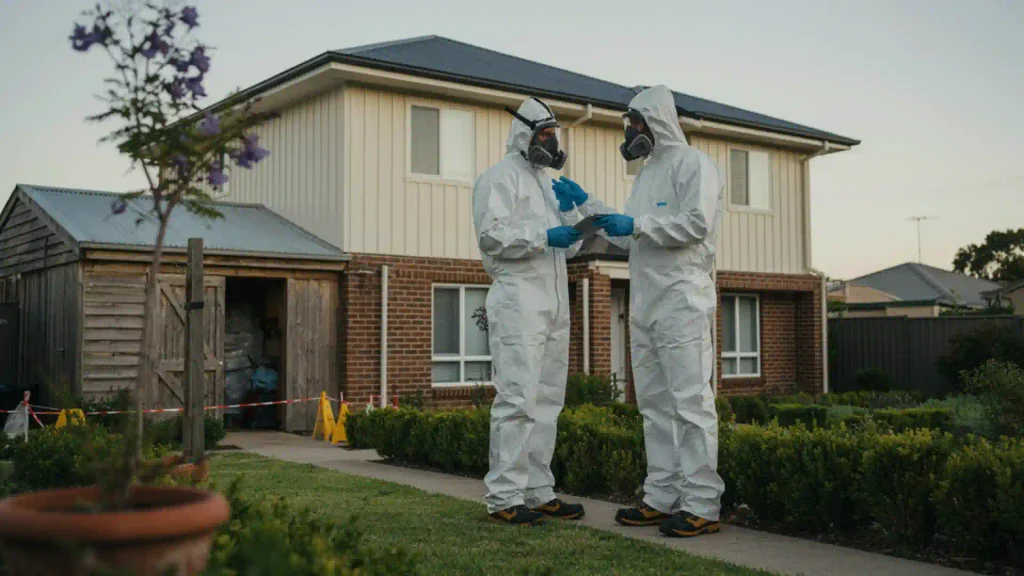
Residential Removal
Safe removal for homes, roofs, sheds and fences with minimal disruption to your household, ensuring safety throughout
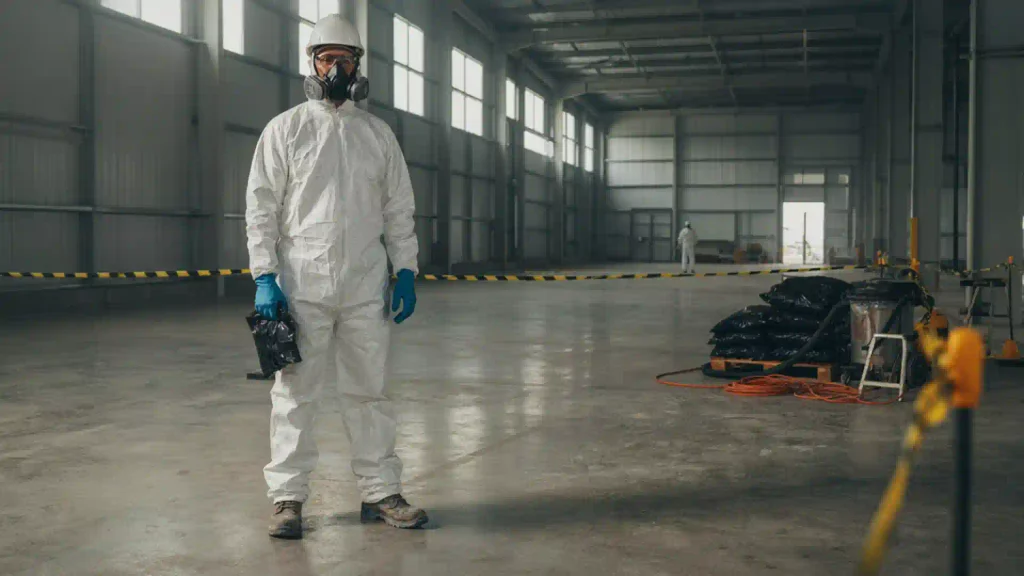
Commercial & Industrial
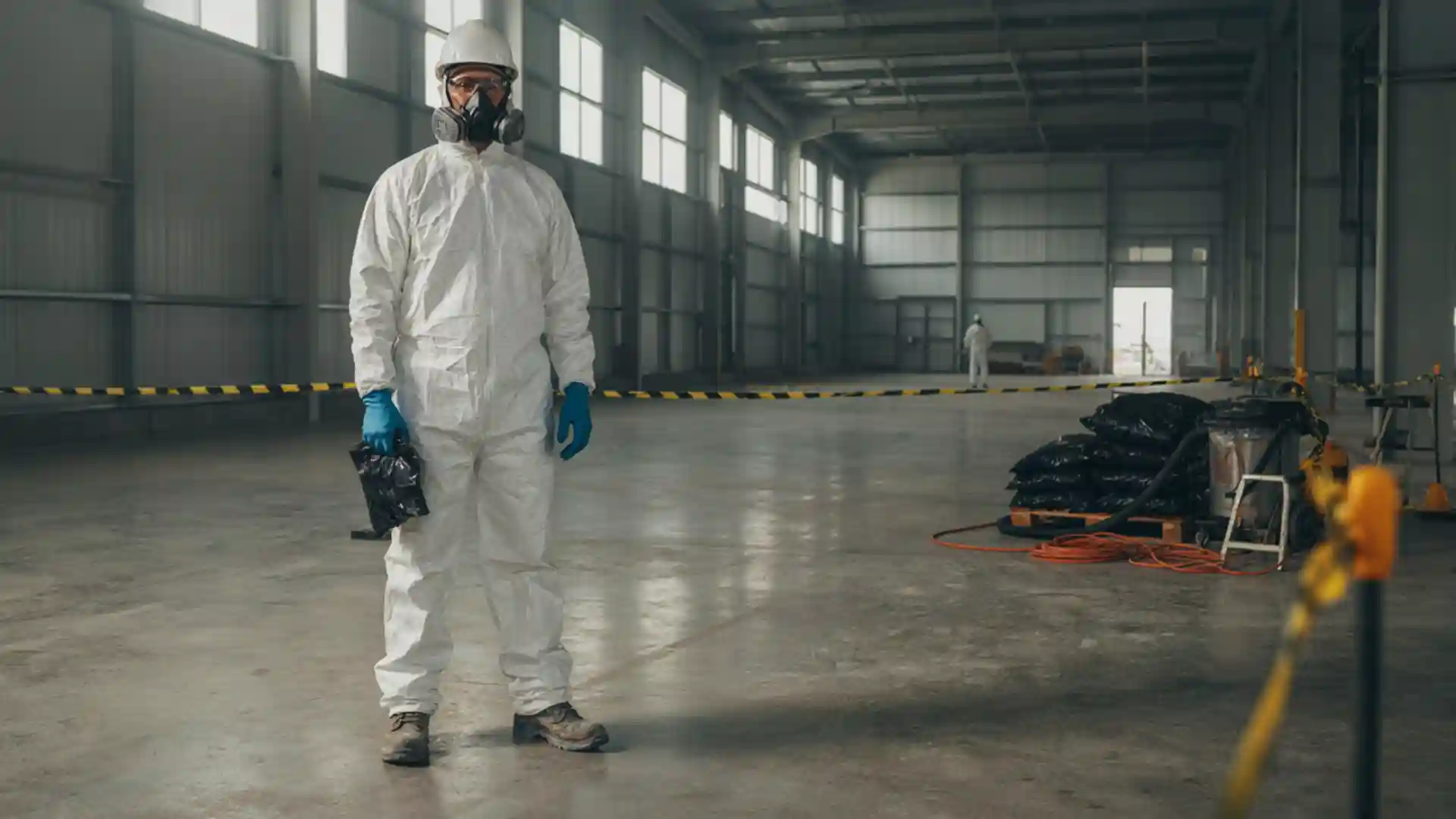
Professional asbestos removal for offices, factories and industrial sites, planned around your operations
Testing & Inspection
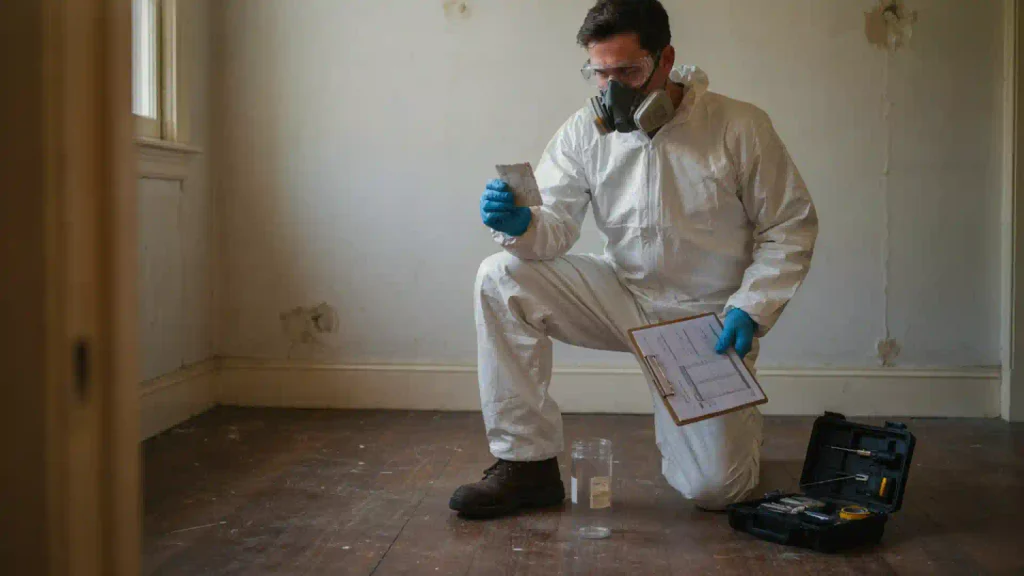
Professional inspection and sampling to identify asbestos before renovation, demolition or removal begins
Asbestos Disposal
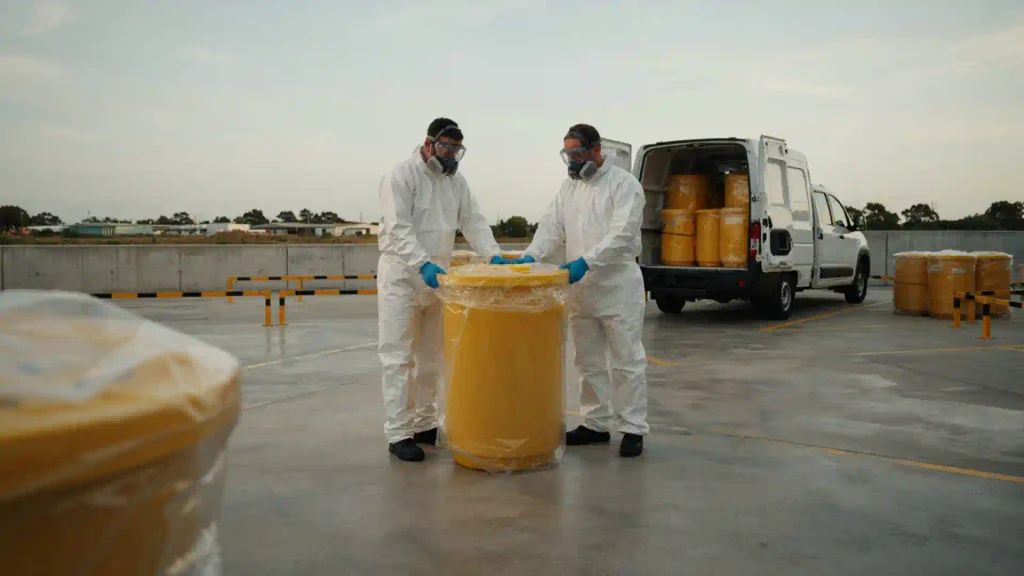
Secure asbestos waste handling, transport and disposal through appropriate approved facilities
Need Help with Suspected Asbestos?
Talk to JD Asbestos Removal about your property, the materials involved and the work you’re planning