Prepare Queenscliff Properties for Thoughtful Updates
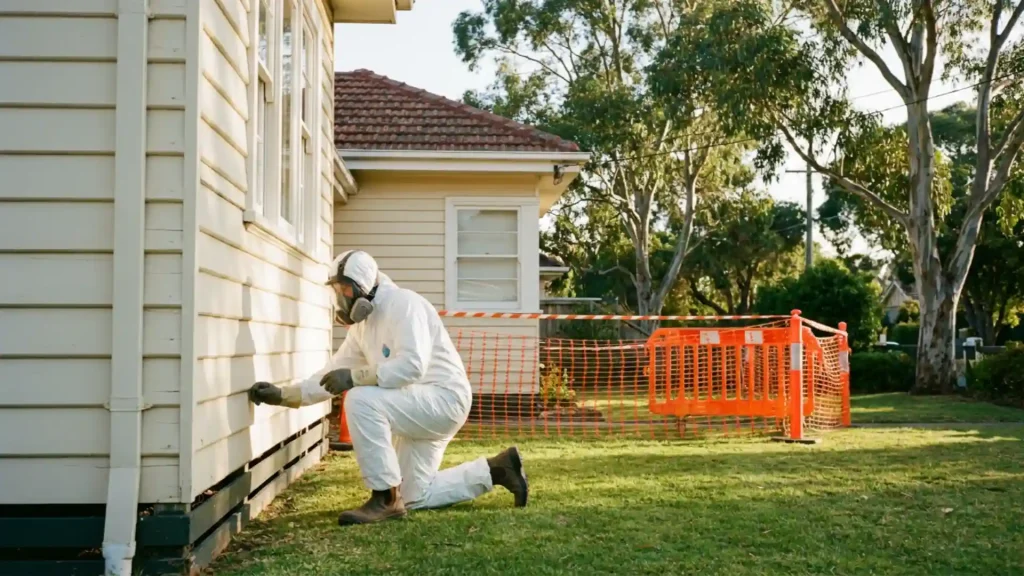
Updating a residence, altering a rear extension or preparing a managed property for refurbishment? JD Asbestos Removal provides asbestos removal Queenscliff for suitable projects involving identified non-friable materials.
Our service includes removing identified non-friable asbestos-containing materials and responsibly managing and disposing of the asbestos waste generated through our work.
When the Removal Area Is Only One Part of the Property
Some property projects preserve most of a building while changing a specific room, extension, garage or external component. In these situations, the asbestos-removal enquiry should clearly distinguish the affected area from the parts of the property that will remain untouched.
Useful information may include:
- The room or structure being altered
- The material identified within that area
- Photographs showing how it connects to the main property
- Available reports or assessment documents
- The access route available to workers
- The renovation work planned after removal
This defined-area approach can be especially useful when a builder needs one project stage completed before work continues elsewhere.
The condition or architectural style of a Queenscliff property does not establish whether asbestos is present. Removal decisions should be based on appropriately identified materials rather than assumptions about the building.
Residential Asbestos Removal Queenscliff
Residential work may involve internal renovations, rear additions, external repairs, garages and secondary structures. When identified non-friable asbestos-containing material will be affected, removal should be planned before ordinary demolition or building work begins.
JD considers suitable residential asbestos removal in Queenscliff involving:
- Bathroom and laundry refurbishments
- Kitchen alterations
- Internal wall or ceiling linings
- Rear-extension improvements
- External wall panels
- Eave replacement
- Garage or shed projects
- Defined areas being prepared for demolition
The removal scope should identify which products have been assessed. Similar-looking panels in another room or structure should not automatically be treated as asbestos-containing.
Rear Extensions and Attached Utility Areas
A rear extension, enclosed utility area or attached storage space may be upgraded without changing the entire property. If identified non-friable material forms part of the affected section, JD can assess whether the removal request falls within its service scope.
Photographs should show the material, adjoining building elements and the route available to reach the area. Plans or marked images can help explain where the removal boundary begins and ends.
If other materials become visible once renovation starts, work should not automatically expand beyond the agreed scope. Uncertain products may require appropriate identification before further removal is considered.
Internal Renovations with Retained Features
A renovation may need to work around flooring, cabinetry, fixtures or building features that the owner plans to retain. These details should be explained during the enquiry so that the relationship between the identified material and surrounding property elements is understood.
JD’s role is limited to the agreed non-friable asbestos-removal scope. Owners and builders remain responsible for coordinating the other renovation stages and any retained property features.
Access Planning for Compact or Managed Properties
The size of the material is only one part of a removal enquiry. Access to the work area can also affect how the project must be discussed.
A Queenscliff property may have a side path, shared boundary, landscaped courtyard or restricted vehicle position. Commercial and managed properties may also require coordination with occupants, tenants or other contractors.
When requesting a quote, provide information about:
- Side and rear access
- Gates, fences and narrow pathways
- Outdoor furniture or stored belongings
- Neighbouring structures
- Occupied areas that will remain in use
- Who will provide access to the property
These details allow JD to review the practical setting without promising a particular work method or schedule before the project has been assessed.
Non-Friable Asbestos Sheet Removal
JD specialises in removing identified non-friable asbestos-containing materials from suitable residential, commercial and industrial properties.
Asbestos sheet removal in Queenscliff may be considered when the bonded product has been appropriately identified and the affected sheets can be clearly distinguished.
The material may form part of:
- An internal wall lining
- An enclosed utility area
- A rear extension
- An external elevation
- A garage or storage structure
- A commercial refurbishment zone
A photograph can help show location, condition and access, but it cannot confirm asbestos content. If the product remains suspected, appropriate identification or testing may be needed before JD establishes a removal scope.
The Asbestos Safety and Eradication Agency provides general information about recognising situations where suspected materials require further attention. General guidance cannot identify a specific product at an individual property.
Garage and Secondary-Structure Projects
A detached garage, garden structure or storage building may be removed as part of a wider property redesign. If identified non-friable material forms part of that structure, it should be addressed before ordinary dismantling begins.
The enquiry should show:
- Which building components were identified
- Whether the entire structure or only one section will be removed
- The distance from the main building
- Access around landscaping and fences
- Items stored inside or beside the structure
- The replacement or landscaping work planned afterward
This information helps separate asbestos removal from the general demolition stage and clarifies what waste will be generated through JD’s work.
Commercial Asbestos Removal Queenscliff
Commercial properties may undergo interior refurbishment, maintenance or alterations to support a different layout or use. Identified non-friable material within the work zone may need to be removed before builders and other contractors proceed.
JD considers suitable commercial asbestos removal in Queenscliff involving defined areas such as:
- Staff or utility rooms
- Internal wall panels
- Storage structures
- External bonded materials
- Maintenance zones
- Areas included in a planned refurbishment
Property managers should explain how the premises will be used during the project, who controls access and whether other contractors have already been scheduled.
Commercial property status alone does not determine project suitability. JD must understand the identified material, its condition and the work requested.
Responsible Disposal Without Leaving Loose Ends
Removed asbestos-containing material should not be mixed with ordinary renovation or construction waste.
JD manages and disposes of asbestos waste generated through its agreed removal work. Connecting disposal with removal prevents the identified material from being left for owners, builders or property managers to handle as general debris.
Waste planning may consider:
- The material being removed
- The volume generated
- The route out of the property
- Packaging and handling requirements
- The agreed removal boundaries
- Other waste produced by the broader renovation
JD’s confirmed scope does not imply a general collection service for unrelated asbestos waste already stored at the property.
EPA Victoria provides additional information about asbestos waste management. Project-specific arrangements should still reflect the actual material and removal work.
How JD Defines a Queenscliff Removal Project
- Begin with the Planned Change – Explain which room, extension, structure or commercial area is being renovated or removed.
- Identify the Confirmed Material – Share reports, photographs and any marked plans showing which products were assessed.
- Map the Access Route – Describe paths, gates, courtyards, shared boundaries and other features between the property entrance and work area.
- Separate Removal from General Building Work – Clarify which contractors will work afterward and what they expect the removal stage to achieve.
- Confirm the Suitable Scope – JD reviews whether the identified material and requested work fall within its non-friable removal service.
- Undertake the Agreed Work – Removal proceeds according to the confirmed material and established project boundaries.
- Complete Waste Management – Asbestos waste generated through JD’s removal activity is responsibly managed and disposed of within the service.
Why Choose JD for Defined Property Work?
- Attention to the Actual Project Area – JD considers the identified material and affected building section instead of making assumptions about the entire property.
- A Clear Non-Friable Specialisation – Suitable projects remain within JD’s confirmed non-friable asbestos-removal scope.
- Access Considered from the Beginning – Paths, courtyards, garages and occupied areas can be discussed during the initial enquiry.
- Coordination with Renovation Plans – Removal is considered in relation to the builders, trades and property work scheduled afterward.
- Responsible Management of Generated Waste – Asbestos waste created through JD’s removal work is managed and disposed of as part of the agreed service.
- Careful Treatment of Uncertain Materials – Products are not identified as asbestos-containing solely from photographs, appearance or property style.
Nearby Service Areas
JD considers suitable non-friable asbestos-removal enquiries across Queenscliff and surrounding Bellarine Peninsula locations.
- Point Lonsdale – For residential renovations, garages and suitable coastal-property improvements nearby, visit our Point Lonsdale asbestos removal page.
- Ocean Grove – For homes, holiday properties and planned external upgrades, visit our Ocean Grove asbestos removal page.
- Portarlington – For residential, managed-property and suitable commercial enquiries farther north, visit our Portarlington asbestos removal page.
- St Leonards – For homes, outbuildings and renovation projects on the northern Bellarine Peninsula, visit our St Leonards asbestos removal page.
- Drysdale – For residential and suitable commercial-property projects across the wider area, visit our Drysdale asbestos removal page.
Frequently Asked Questions
-
We are keeping most of our Queenscliff home and changing only the rear extension. Can the enquiry focus on that area?
Yes. Provide reports and photographs showing the identified material within the extension and how the area connects to the retained building. JD can assess the defined non-friable removal request without assuming that the entire property is involved.
-
Our property has no driveway and only a narrow side path. What information should we provide?
Send photographs of the entrance, pathway, gates and work area, together with approximate access details. JD can then consider those conditions when reviewing whether the project is suitable.
-
Can JD work with our builder’s staged renovation plan?
The enquiry can explain which removal stage the builder requires before construction proceeds. JD will assess its non-friable scope separately, while the owner or project manager coordinates the wider renovation program.
-
We found another sheet behind a lining during preparation. Can it be added automatically?
No. A newly exposed or uncertain product should not automatically be treated as asbestos-containing. Appropriate identification may be required before any additional removal scope is considered.
-
Will JD remove waste produced by the builder after the asbestos work?
JD manages and disposes of asbestos waste generated through its own agreed removal activities. General building waste and unrelated material produced by other contractors remain outside that confirmed scope.
Define the Removal Stage Before Work Begins
For a Queenscliff renovation involving identified non-friable material, a well-defined work area, clear access information and relevant reports can help establish what must occur before the next contractor begins.
Complete Asbestos Solutions
From residential properties to large-scale industrial sites, we provide professional asbestos services with safety, compliance and responsible disposal at every stage.
Residential Removal
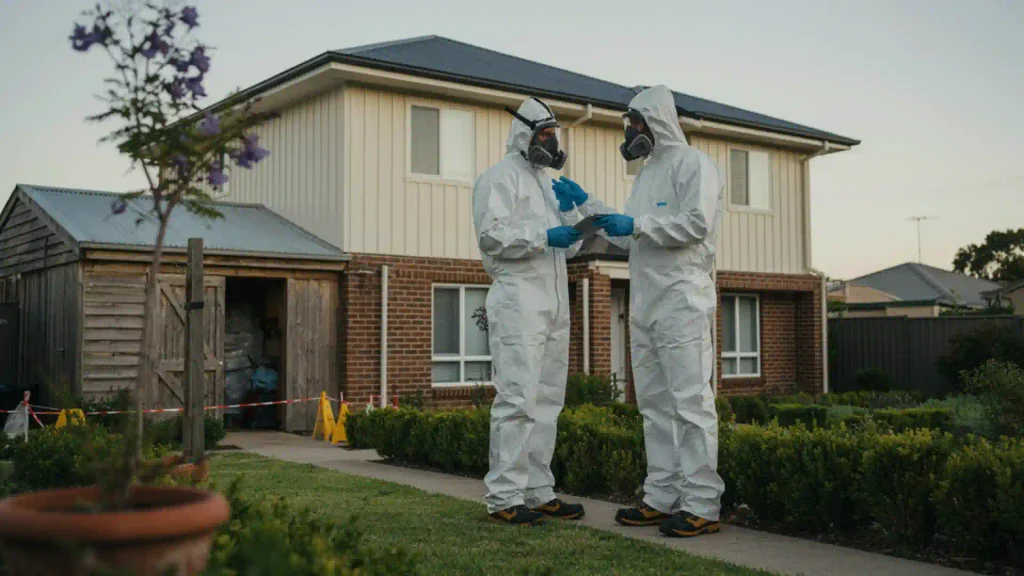
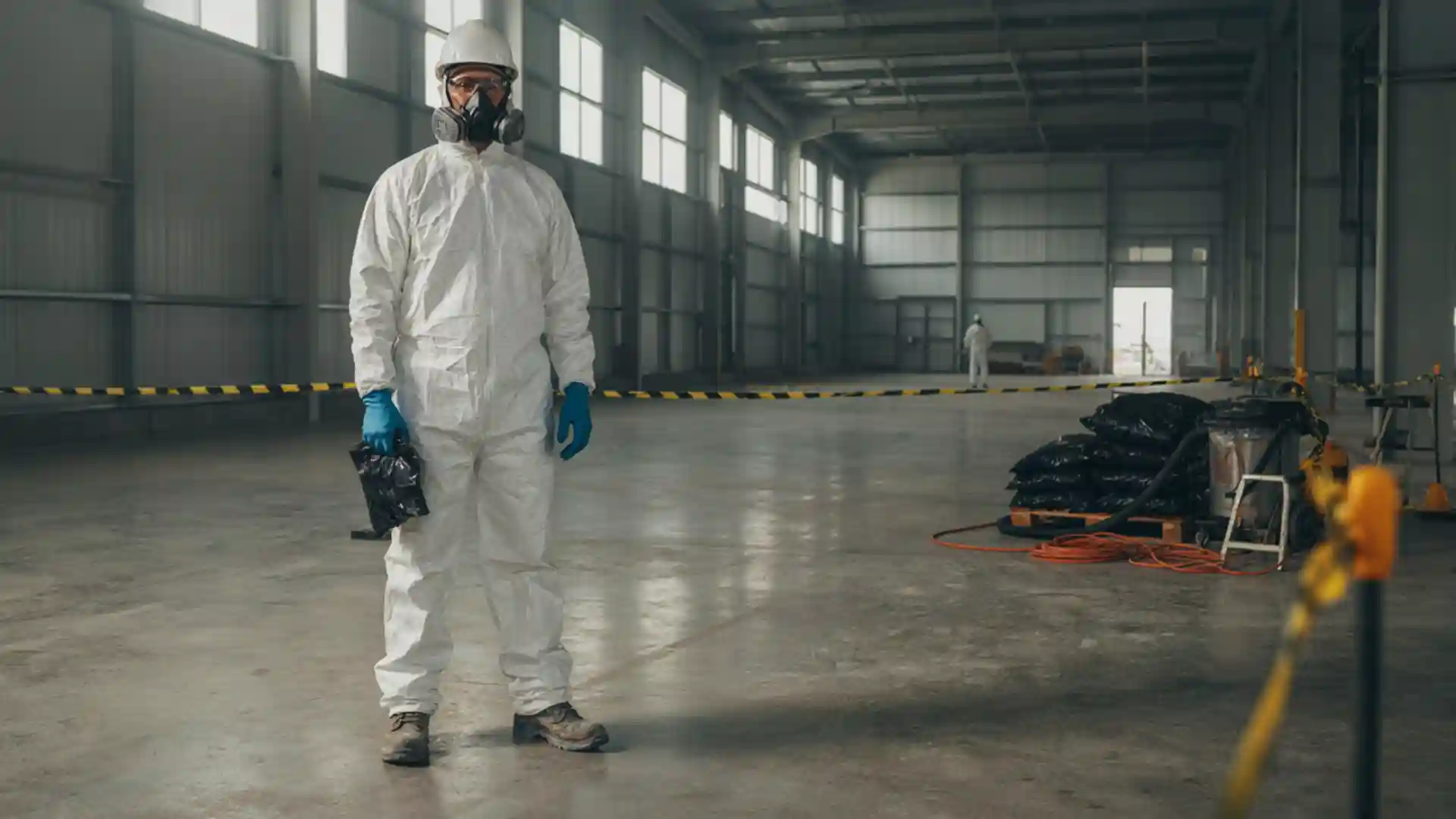
Safe removal for homes, roofs, sheds and fences with minimal disruption to your household, ensuring safety throughout
Commercial & Industrial
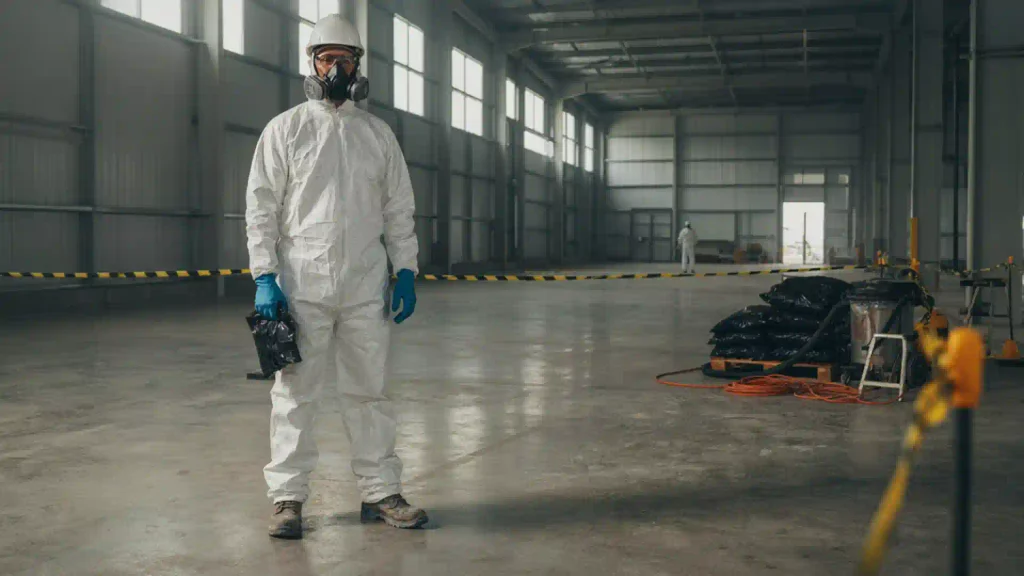
Professional asbestos removal for offices, factories and industrial sites, planned around your operations
Testing & Inspection
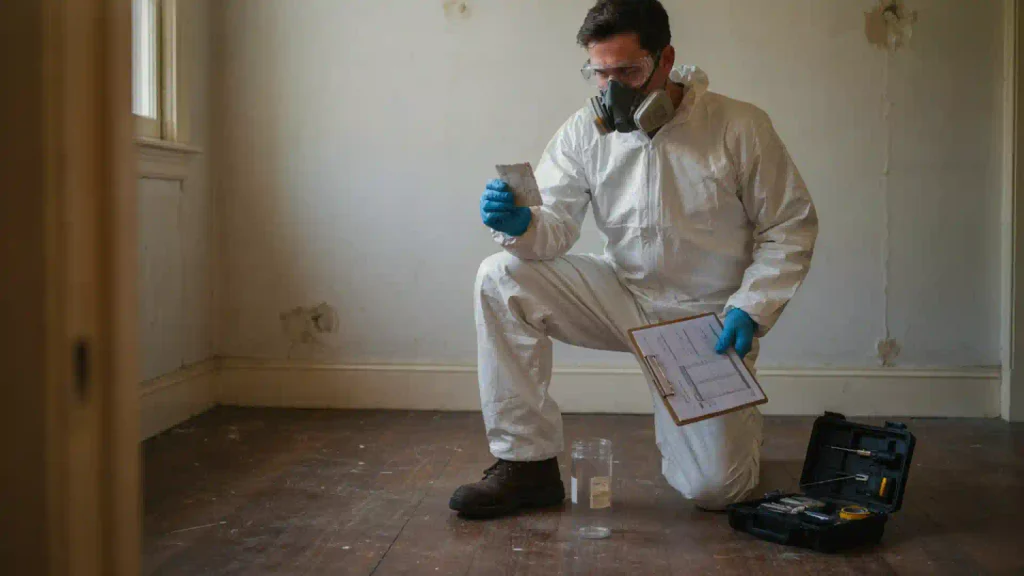
Professional inspection and sampling to identify asbestos before renovation, demolition or removal begins
Asbestos Disposal
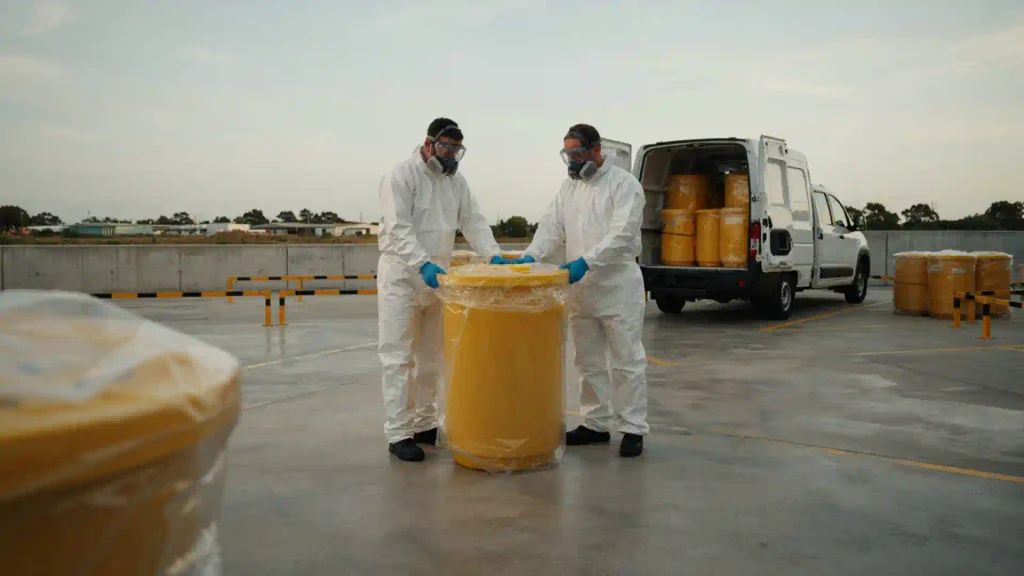
Secure asbestos waste handling, transport and disposal through appropriate approved facilities
Need Help with Suspected Asbestos?
Talk to JD Asbestos Removal about your property, the materials involved and the work you’re planning