Prepare Seymour Buildings for What Comes Next
Renovating a home, replacing a shed or upgrading a workplace? JD Asbestos Removal provides asbestos removal Seymour for suitable residential, commercial and industrial projects involving identified non-friable materials.
Our service includes removing identified non-friable asbestos-containing materials and responsibly managing and disposing of the asbestos waste generated through our work.
Non-Friable Asbestos Removal in Seymour
Property improvements may involve internal rooms, external building components, garages, sheds, workshops and commercial work areas. When identified asbestos-containing material lies within the project zone, its removal may need to be completed before general demolition, repairs or refurbishment begins.
JD specialises in non-friable asbestos removal in Seymour. These materials generally contain asbestos fibres bonded within another substance, but they still require appropriate handling when removed or disturbed.
Every enquiry is considered according to:
- The identified material
- Its condition and location
- The amount involved
- Access to the work area
- Surrounding structures and property features
- The renovation or demolition planned afterward
The property type, apparent building age or appearance of a product cannot confirm that asbestos is present. When a material remains suspected rather than identified, appropriate assessment or testing may be required before a removal scope can be established.
Residential Asbestos Removal Seymour
Home renovations often involve several contractors working in sequence. If identified non-friable asbestos-containing material is located within the renovation area, removal should be considered before ordinary cutting, drilling, stripping or demolition proceeds.
JD can assess suitable residential projects involving:
- Bathroom, kitchen and laundry renovations
- Internal wall or ceiling alterations
- Identified asbestos-sheet removal
- Eave repair or replacement
- External wall and cladding improvements
- Garage and shed upgrades
- Preparation for extensions
- Partial demolition involving identified materials
Providing photographs, identification reports and a description of the planned work helps clarify which materials and areas form part of the enquiry.
Asbestos Removal for Renovations
A renovation may affect only one room or extend across several parts of a property. The removal scope should clearly identify where the confirmed material is located and which components will be disturbed by the planned work.
Similar-looking panels or sheets elsewhere on the property should not automatically be treated as asbestos-containing. Identification relating to one product does not necessarily apply to every adjacent material.
Addressing the removal stage early can help property owners and trades establish a clearer sequence for the work that follows.
Asbestos Sheet Removal Before Property Alterations
JD can consider suitable asbestos sheet removal in Seymour when a bonded product has been appropriately identified and the work falls within its non-friable service scope.
The identified sheeting may be located within an internal room, external wall, eave, garage or detached structure. Its condition, accessibility and surrounding features can influence the removal plan.
Photographs can help JD understand the work area, but they cannot independently confirm whether a material contains asbestos. Appropriate identification or testing may be required when its composition remains uncertain.
Garage, Shed and Workshop Asbestos Removal
Regional properties may include detached garages, storage sheds, workshops and utility buildings. These structures may be repaired, renovated, replaced or cleared as part of a wider property project.
When identified non-friable asbestos-containing materials form part of an outbuilding, they must be managed separately from ordinary dismantling and construction waste.
Suitable garage asbestos removal, shed asbestos removal and workshop enquiries may involve identified:
- External wall panels
- Internal bonded-sheet linings
- Relevant roofing components
- Eaves or adjoining materials
- Sections affected by planned repairs
- Components within a demolition area
The initial enquiry should include photographs of the identified product, the complete structure and the surrounding access area. Gates, driveways, fences, stored equipment and nearby buildings may all be relevant when the project is reviewed.
Properties with Several Detached Structures
Some properties contain more than one shed, garage or utility building. Identifying asbestos-containing material within one structure does not confirm that similar products elsewhere have the same composition.
Property owners should explain which building has been assessed, where the relevant material is located and what work is planned afterward.
This allows JD to consider a defined removal scope without making unsupported assumptions about other structures.
Commercial and Industrial Asbestos Removal Seymour
Commercial and industrial property work may involve routine maintenance, refurbishment, structural alterations or preparation for demolition. When identified non-friable materials affect the proposed work, removal may need to be coordinated with site activities and other contractors.
JD assesses suitable commercial asbestos removal in Seymour and industrial enquiries within its confirmed non-friable scope. Relevant projects may involve:
- Office or retail refurbishment areas
- Workshops and utility buildings
- Warehouses and storage structures
- Identified internal wall panels
- External bonded materials
- Maintenance areas
- Suitable sections being prepared for demolition
A project is not automatically suitable because it involves a particular type of premises. JD must understand the identified material, its condition, accessibility and the work required.
Business owners, site managers and contractors can support the review by providing available reports, photographs, access information and plans for the following project stages.
Planning Work Around Access and Property Use
Access conditions can differ between suburban homes, larger regional blocks and active workplaces. Describing the property clearly at the enquiry stage helps JD understand how the identified area connects with the rest of the site.
Useful information may include:
- The location of the affected building or room
- Gate and driveway access
- Nearby homes, sheds or work areas
- Vehicles or stored equipment around the structure
- Whether the property remains occupied
- Contractors scheduled after removal
These details establish the project context without guaranteeing a particular work method or timetable before the scope has been assessed.
Suspected Materials Require Identification
A building material may cause concern because of its texture, colour, shape or location. These features can justify further investigation, but they do not confirm asbestos content.
JD does not claim to provide asbestos testing or laboratory identification. If a product remains suspected, appropriate assessment or testing may be required before removal can be arranged.
The Asbestos Safety and Eradication Agency provides general guidance about asbestos-containing materials and managing suspected products. This information supports awareness but cannot identify a material at an individual Seymour property.
Avoid cutting, sanding, drilling, breaking or unnecessarily disturbing suspected materials until their composition has been appropriately determined.
Responsible Asbestos Waste Disposal Seymour
Asbestos-containing waste cannot be managed like ordinary household rubbish, scrap material or general renovation debris.
JD responsibly manages and disposes of asbestos waste generated through its agreed removal work. Keeping the waste stage connected with the removal service avoids leaving identified material for property owners or unrelated contractors to handle.
Waste arrangements may depend on:
- The identified non-friable material
- The quantity being removed
- Its condition and position
- Access to the removal area
- Containment and handling requirements
- The agreed project boundaries
EPA Victoria publishes broader information about asbestos waste management and disposal. Requirements for a particular Seymour project must still reflect the actual material and circumstances involved.
How Seymour Removal Projects Are Planned
- Explain the Property Type – Provide the Seymour address and describe whether the enquiry involves a home, garage, shed, workshop or commercial premises.
- Outline the Planned Project – Explain what will be renovated, repaired, replaced or demolished after the removal work.
- Provide Material Information – Send photographs, identification reports and relevant plans. Appropriate testing may be required when the material remains suspected.
- Review the Requested Work – JD considers whether the identified material and proposed project fall within its non-friable removal scope.
- Consider Access and Coordination – Entry routes, surrounding structures, property use and later contractor activities are considered when arranging the project.
- Complete the Agreed Removal – JD undertakes the confirmed non-friable removal according to the identified material and agreed project boundaries.
- Manage the Removal Waste – Asbestos waste generated through JD’s work is responsibly managed and disposed of as part of the service.
Why Seymour Property Owners Choose JD
- A Defined Non-Friable Service – JD focuses on suitable projects involving identified non-friable asbestos-containing materials.
- Regional Property Experience – Enquiries can involve homes, garages, sheds, workshops and suitable commercial or industrial property settings.
- Planning Around Future Work – Removal requirements are considered in relation to the renovation, maintenance or demolition scheduled afterward.
- Responsible Waste Management – Asbestos waste generated through JD’s removal work is managed and disposed of within the agreed service.
- No Assumptions About Materials – JD does not confirm asbestos based solely on appearance, property age, building type or location.
- Clear Project Discussions – Photographs, reports and access information help establish a more accurate understanding of the required work.
Asbestos Removal Around Seymour
JD considers suitable non-friable removal projects across Seymour and relevant nearby regional locations.
- Seymour South – For homes, outbuildings and suitable property-improvement work nearby, visit our Seymour South asbestos removal page.
- Broadford – For residential renovations, sheds and regional property projects farther south, visit our Broadford asbestos removal page.
- Kilmore – For homes, garages, outbuildings and suitable commercial enquiries, visit our Kilmore asbestos removal page.
- Nagambie – For residential, regional and suitable workplace projects farther north, visit our Nagambie asbestos removal page.
- Yea – For homes, sheds and suitable regional property improvements to the east, visit our Yea asbestos removal page.
Frequently Asked Questions
-
What asbestos-removal service does JD provide in Seymour?
JD specialises in removing identified non-friable asbestos-containing materials from suitable residential, commercial and industrial properties.
-
Can JD remove asbestos before home renovations?
JD can assess suitable non-friable removal work when identified material will be affected by renovation. Provide photographs, reports and information about the planned improvements.
-
Can JD work on garages, sheds and workshops?
Suitable garage, shed, workshop and other outbuilding projects can be assessed when identified non-friable materials are involved. Access, material condition and the work planned afterward must be considered.
-
Can asbestos be identified from a photograph?
Photographs can help show the work area and material location, but appearance alone cannot confirm asbestos content. Appropriate identification or testing may be required.
-
Is commercial asbestos removal available in Seymour?
JD can review suitable commercial and industrial enquiries within its non-friable removal scope. Project suitability depended on the identified material and required work.
Organise the Removal Stage of Your Seymour Project
Identified non-friable asbestos-containing materials can affect when renovation, maintenance, outbuilding replacement or demolition work can begin. Addressing the removal requirement early helps define the stages needed to move the wider project forward.
Send JD the Seymour property address, available reports, photographs and a description of the work planned afterward.
Complete Asbestos Solutions
From residential properties to large-scale industrial sites, we provide professional asbestos services with safety, compliance and responsible disposal at every stage.
Residential Removal
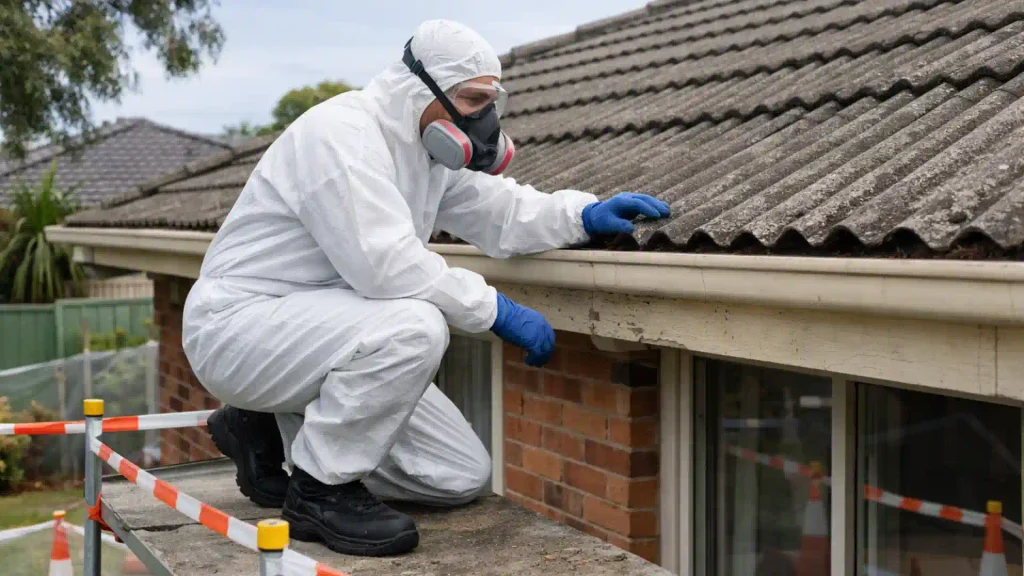
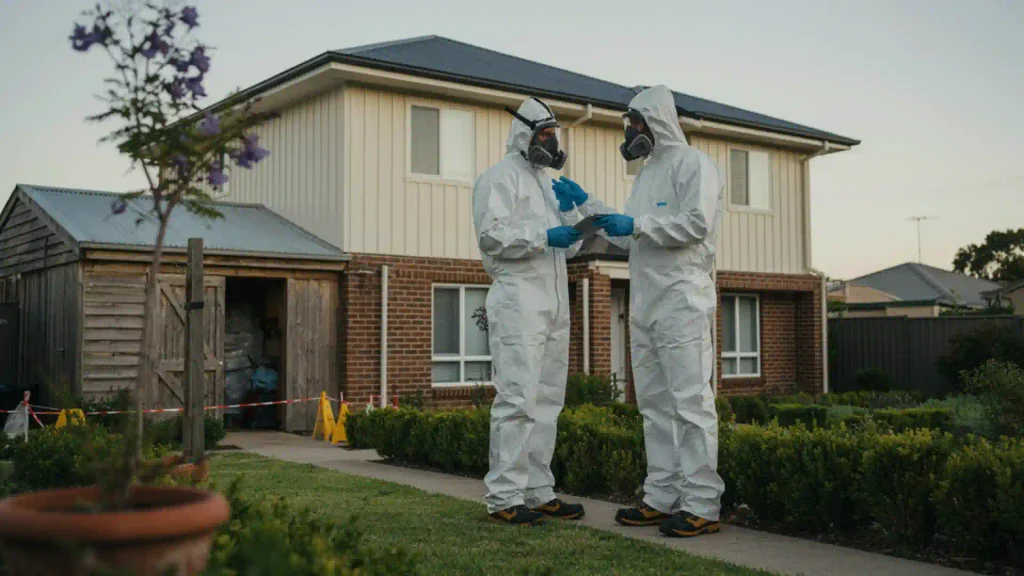
Safe removal for homes, roofs, sheds and fences with minimal disruption to your household, ensuring safety throughout
Commercial & Industrial
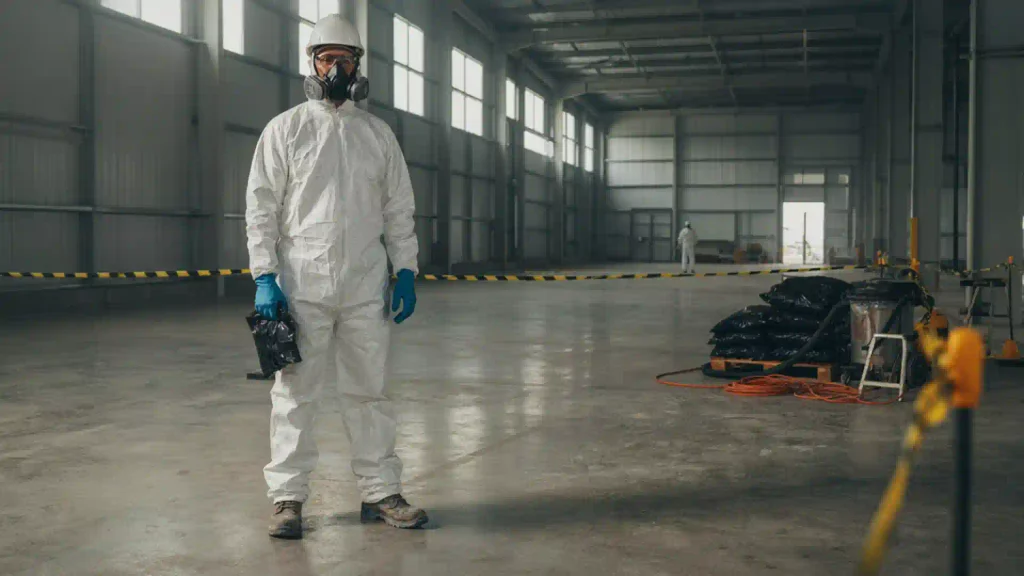
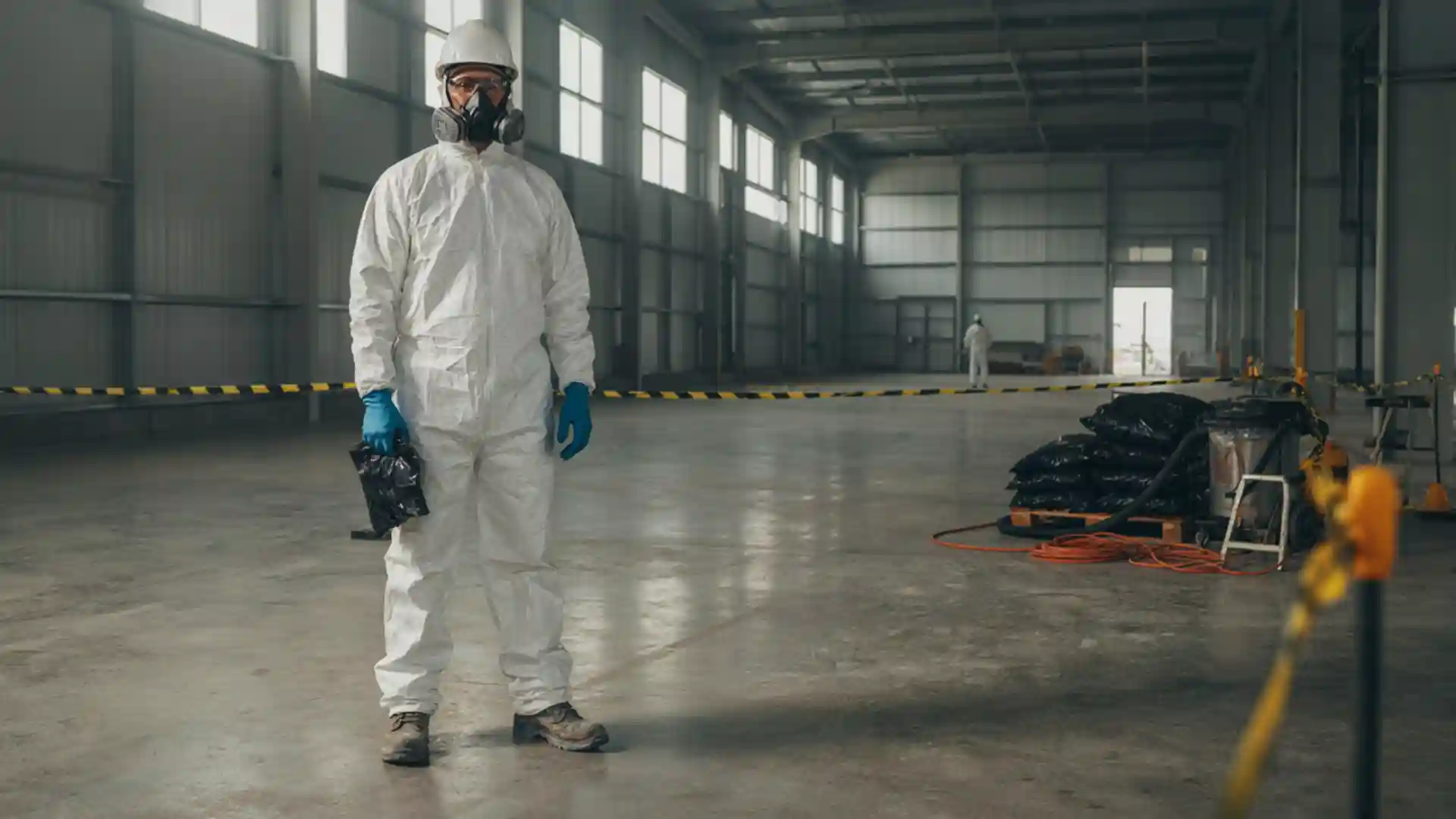
Professional asbestos removal for offices, factories and industrial sites, planned around your operations
Testing & Inspection
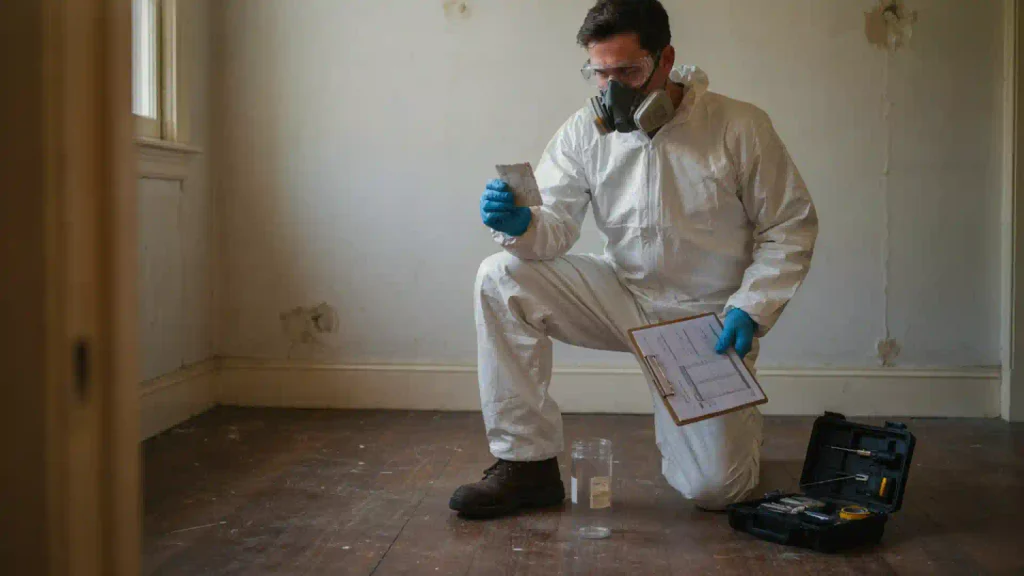
Professional inspection and sampling to identify asbestos before renovation, demolition or removal begins
Asbestos Waste Disposal
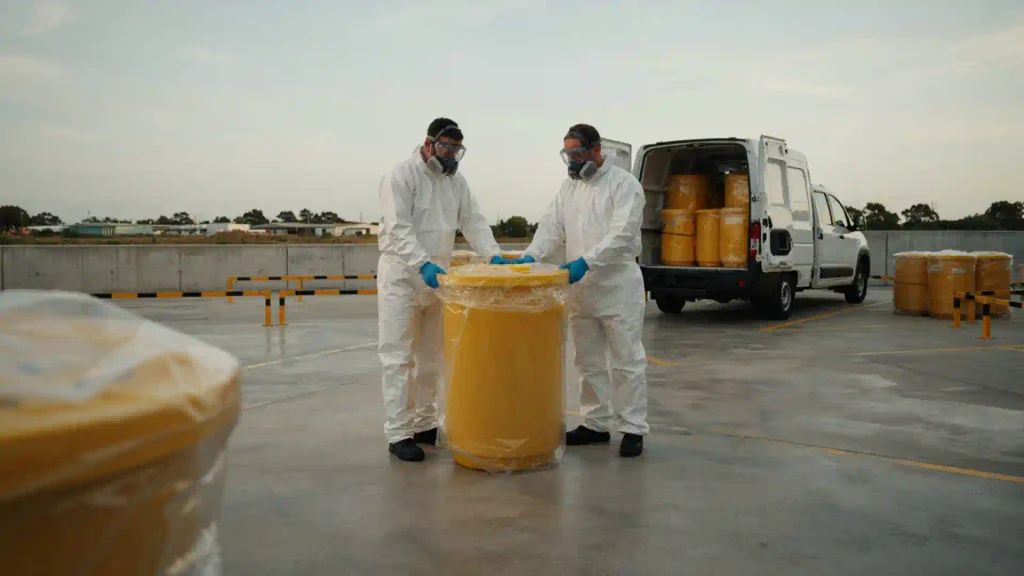
Secure asbestos waste handling, transport and disposal through appropriate approved facilities
Need Help with Suspected Asbestos?
Talk to JD Asbestos Removal about your property, the materials involved and the work you’re planning